
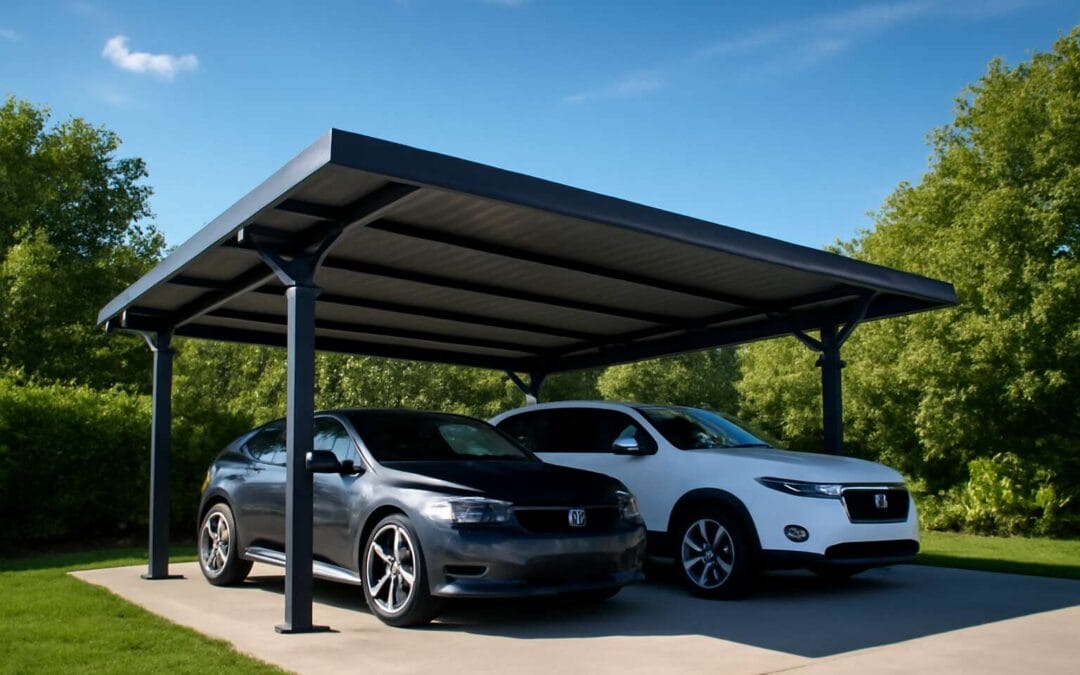
Types of Roof for Carports
Metal Roofs – Advantages, materials, and durability
Metal roofs for carports are nothing short of a marvel in the realm of outdoor sheltering. Their sleek, shimmering surfaces not only defy the elements but also transform utilitarian structures into statements of modern elegance. The durability of a roof for carport made from metal is legendary—standing resilient against harsh weather, from pounding rain to blazing sun, with minimal upkeep. This resilience is rooted in the materials used, often galvanised steel or aluminium, which resist rust and corrosion with almost magical tenacity.
What truly sets metal roofs apart is their versatility and longevity. They can be customised with various finishes, from matte to high-gloss, and are available in an array of colours, allowing the roof for carport to blend seamlessly with any aesthetic. Their lightweight yet robust nature means easier installation and less strain on supporting structures. When selecting a roof for carport, choosing a metal option is often the most enchanting blend of practicality and style, promising decades of dependable shelter.
Polycarbonate Roofs – Benefits of transparency and lightweight design
In the symphony of outdoor sheltering options, polycarbonate roofs for carports emerge as a luminous choice, blending transparency with lightweight resilience. These roofs are celebrated not just for their ability to let in gentle sunlight, but for their capacity to create a bright, airy refuge for your vehicle, transforming a simple structure into a sanctuary of sunlight and protection. The allure of a transparent roof for carport lies in its ability to soften the boundary between indoors and outdoors, inviting natural light to dance freely while shielding your car from the elements.
What sets polycarbonate apart is its remarkable strength-to-weight ratio. This lightweight design means easier installation, reduced strain on supporting structures, and a swift upgrade to any outdoor space. The material’s exceptional durability ensures it withstands the rigours of weather—resisting hail, UV rays, and temperature fluctuations—without losing clarity or colour.
- High impact resistance
- UV protection for prolonged clarity
- Minimal maintenance requirements
A roof for carport crafted from polycarbonate is an enchanting fusion of function and aesthetics—offering a luminous shield that’s as practical as it is poetic.
Asphalt Shingle Roofs – Cost-effective options and installation tips
When selecting the perfect roof for carport, affordability and ease of installation often top the list for homeowners eager to enhance their outdoor space without breaking the bank. Among the myriad options, asphalt shingle roofs stand out as a cost-effective solution that combines practicality with a touch of classic charm. Their versatility allows them to blend seamlessly into various architectural styles, making them a popular choice for those seeking a straightforward yet reliable shelter for their vehicle.
Installing an asphalt shingle roof for your carport involves a few essential steps to ensure longevity and optimal performance. First, proper planning of the pitch and support structure is crucial. The right slope not only facilitates drainage but also extends the life of the shingles. Consider the climate—areas prone to heavy rain or snow will benefit from a steeper pitch for efficient runoff. Additionally, selecting high-quality shingles with UV protection can significantly prolong the roof’s durability, maintaining its appearance and protective qualities over time.
For a smooth installation, keep in mind:
- Ensure the supporting framework is sturdy and level.
- Opt for asphalt shingles with a high impact resistance rating.
- Apply a weatherproof underlay beneath the shingles for added protection against moisture ingress.
With proper care, an asphalt shingle roof for carport can provide reliable shelter, adding value and aesthetic appeal while keeping your vehicle shielded from the elements. Its affordability and straightforward installation make it an enduring favourite among those seeking practical outdoor shelter solutions.
Tile and Clay Roofs – Aesthetic appeal and longevity
In the symphony of outdoor architecture, tile and clay roofs compose a melody of timeless elegance. Their rustic charm whispers stories of centuries past, yet their resilience remains undiminished in the modern landscape. When considering the ideal roof for carport, these materials elevate any structure from mere shelter to a stately statement. The allure lies not only in their aesthetic appeal but also in their extraordinary longevity, often surpassing half a century with proper care.
Clay and tile roofs offer a palette of colours and textures, allowing homeowners to craft a visual masterpiece that harmonises with their property’s character. Their natural resistance to fire and weather extremes makes them a prudent choice for regions subject to harsh climates. For a touch of organised sophistication, consider these key features:
- Exceptional durability, standing resilient against the elements.
- Low maintenance requirements over decades of service.
- Enhanced aesthetic appeal that can transform a simple carport into a stylish extension of your home.
Such roofs imbue the space beneath with an air of enduring beauty, turning a functional carport into a striking testament to craftsmanship. Whether nestled within a historic neighbourhood or standing proudly in a contemporary setting, tile and clay roofs exemplify the artistry of protective architecture—an impeccable choice for those who seek both form and function in their roof for carport.
Other Roofing Options – Innovative and eco-friendly materials
In the quest for the perfect roof for carport, innovation constantly pushes boundaries, blending sustainability with modern aesthetics. Traditional options have their charm, but today’s market offers a spectrum of environmentally conscious alternatives that challenge convention. These materials not only serve functional purposes but also reflect a deeper commitment to ecological responsibility—something increasingly vital in our age of environmental awareness.
One compelling direction is the utilisation of green roofs—living, breathing canopies that insulate the space beneath while promoting biodiversity. Another revolutionary choice is tensile fabric structures, which showcase flexibility and lightweight design, perfect for creating dynamic, eye-catching carports. These options often incorporate eco-friendly materials such as recycled plastics or sustainably sourced fibres, aligning form with ethical substance.
By exploring innovative materials, homeowners and architects alike can craft a unique identity for their property. The selection process becomes a dialogue between aesthetic desires and a moral obligation to reduce our ecological footprint. When considering the right roof for carport, these sustainable options transcend mere shelter—they become a statement of purpose, resilience, and harmony with the environment.
Materials Used in Carport Roofing
Metal – Steel, aluminum, and galvanized options
When selecting a roof for carport, the choice of materials can transform a mundane structure into a resilient haven for vehicles and storage alike. Metal remains a frontrunner, with steel, aluminium, and galvanized options offering a compelling blend of strength, lightness, and corrosion resistance. Steel, renowned for its durability, provides a formidable barrier against the elements, making it ideal for areas prone to severe weather. Aluminium, lighter yet equally resistant to rust, lends itself to more streamlined, modern designs that don’t compromise on longevity. Galvanized steel, coated with a protective zinc layer, ensures a resilient shield that withstands the test of time.
Opting for a roof for carport crafted from these metals often involves considering factors such as aesthetic appeal, maintenance, and cost. For those seeking a harmonious balance, the following features are notable:
- High durability and resistance to rust and corrosion
- Low maintenance requirements, saving time and expense
- Versatile design options, from sleek panels to textured finishes
Polycarbonate and Acrylic – UV protection and impact resistance
When considering a roof for carport, the choice of materials significantly influences both functionality and visual appeal. Polycarbonate and acrylic have become increasingly popular for their unique blend of transparency, strength, and versatility. These materials allow natural light to filter through, creating a bright, welcoming space for your vehicles without sacrificing durability. Their impact resistance means they can withstand hail and debris, protecting your carport from the unpredictable whims of weather.
UV protection is a critical feature in these roofing materials, shielding both the vehicles beneath and the underlying structure from harmful rays. Polycarbonate, in particular, offers superior UV resistance, ensuring the longevity of your roof for carport while maintaining clarity over time. Additionally, these lightweight materials are easy to install, reducing labour costs and installation time. For a modern, resilient solution that combines practical benefits with aesthetic flexibility, polycarbonate and acrylic are excellent options for your carport roof.
Asphalt Shingles – Traditional and modern styles
When selecting the perfect roof for your carport, the materials used can transform a simple structure into a striking architectural feature. Asphalt shingles, traditionally celebrated for their affordability and ease of installation, have evolved into a versatile choice for modern carport roofing. Their durability and wide range of colours make them a popular option for homeowners seeking a blend of classic charm and contemporary resilience.
In the realm of roofing materials, asphalt shingles stand out due to their ability to mimic more luxurious options while maintaining practicality. They also offer excellent weather resistance, ensuring your vehicle remains protected from the elements. For those prioritising aesthetic appeal and longevity, asphalt shingles provide a compelling solution that seamlessly marries form and function in your roof for carport.
Clay and Ceramic Tiles – Design flexibility and weather resistance
When considering the materials used in a roof for carport, clay and ceramic tiles stand out for their exceptional design flexibility and weather resistance. Unlike more utilitarian options, these tiles can be shaped and coloured to complement any architectural style, from rustic to modern. Their natural clay composition offers a timeless aesthetic that adds character and charm to your property.
One of the key advantages of clay and ceramic tiles is their resilience against harsh weather conditions. They resist cracking in freezing temperatures and are highly durable against wind, rain, and sun exposure. This longevity makes them an excellent choice for those seeking a long-lasting roof for carport. Plus, their thermal properties help regulate temperature, protecting your vehicle from extreme heat or cold.
For a better understanding, consider these points:
- Design versatility allows for custom colours and shapes, enabling a personalised roof for carport that matches your home’s overall aesthetic.
- High weather resistance ensures that your vehicle remains protected regardless of seasonal changes.
- Longevity of clay and ceramic tiles can extend beyond 50 years with proper maintenance.
It’s clear that clay and ceramic tiles offer a combination of durability and visual appeal, making them an ideal material choice for a roof for carport that balances function with form.
Eco-Friendly Materials – Recycled and sustainable solutions
In the shadowy realm of sustainable architecture, eco-friendly materials for a roof for carport are emerging as a beacon of hope. Recycled and sustainable solutions not only reduce environmental impact but also forge a path towards a future where aesthetics and responsibility intertwine. Among these, reclaimed wood and green roofing systems stand out for their organic charm and minimal footprint. They serve as a testament to the art of repurposing, turning discarded resources into protective sanctuaries for your vehicle.
Harnessing the power of nature’s cycle, innovative materials such as bamboo or recycled plastics are gaining prominence. These substances are lightweight yet resilient, offering a durable shield against the elements. For those seeking a harmonious blend of form and function, consider this:
- Reclaimed timber, providing rustic allure and strength
- Recycled plastic composites, offering weather resistance and longevity
- Green roofs, fostering biodiversity and improving insulation
The allure of eco-friendly materials lies in their ability to elevate your roof for carport beyond mere shelter—transforming it into a statement of environmental stewardship. As the darkness of the industrial age looms, these solutions whisper of renewal, resilience, and a commitment to a greener tomorrow. Truly, they are the silent guardians of modern architecture’s conscience—an enduring testament to sustainability in the face of chaos.
Factors to Consider When Choosing a Roof for Carport
Weather Resistance – Protection against rain, snow, and wind
Weather resistance is a critical factor when choosing a roof for a carport. After all, a roof that fails to withstand rain, snow, or wind can lead to costly repairs and unnecessary stress. A durable roof for carport should be able to protect vehicles and belongings from the elements effectively.
The strength of the roofing material influences its ability to handle adverse weather conditions. For example, some materials are better suited for snowy climates, offering excellent insulation and snow-shedding capabilities. Similarly, wind resistance is crucial; a well-secured roof for carport can resist strong gusts that might otherwise cause damage or lift the structure.
When evaluating options, consider the following factors:
- Material resilience against UV exposure and temperature fluctuations
- Structural integrity to withstand heavy snow loads or high winds
- Waterproofing features that prevent leaks during rainfall
Selecting a roof for carport with optimal weather resistance ensures long-term protection, regardless of the unpredictable UK weather.
Durability and Longevity – Expected lifespan and wear resistance
When selecting a roof for a carport, longevity and wear resistance are essential considerations that can’t be overlooked. A durable roof for carport should stand the test of time, weathering the unpredictable UK climate with resilience and grace. The expected lifespan of your chosen material directly impacts your long-term investment, ensuring your vehicle remains protected for years to come.
Factors such as the quality of materials used, installation precision, and maintenance routines all influence how well a roof for carport can withstand daily wear. Some materials naturally boast higher durability, offering exceptional resistance to UV rays, temperature fluctuations, and physical impacts. For example, metal roofs often provide decades of reliable service, while polycarbonate options bring lightweight flexibility without sacrificing strength.
In a landscape where weather can shift unexpectedly, choosing a roof for carport with proven longevity isn’t just practical—it’s a necessity. The right selection combines resilience with structural integrity, giving homeowners peace of mind that their prized possessions are shielded against the relentless march of time and elements.
Cost and Budget – Pricing considerations and value for money
When selecting a roof for a carport, understanding the cost and value for money is crucial. It’s tempting to opt for the cheapest option, but long-term durability often justifies a higher initial investment. A well-chosen roof for carport can save you money on repairs and replacement down the line. Budgeting wisely requires balancing upfront costs with expected longevity and maintenance expenses.
Factors influencing price include material choice, complexity of installation, and energy efficiency. For example, metal roofs tend to be more expensive initially but offer decades of reliable service. Conversely, asphalt shingles are often more affordable but may need replacement sooner. To get the best value, compare the durability and warranties of different options before making your decision.
Some suppliers provide a straightforward pricing structure based on size and material, making it easier to plan your budget. Remember, investing in quality for your roof for carport not only shields your vehicle better but also enhances your property’s overall value. Ultimately, the right roof combines affordability with proven performance, ensuring your investment withstands the test of time.
Aesthetic Appeal – Design and color options to match home exterior
The visual harmony between your home and its protective canopy isn’t merely aesthetic; it’s an extension of your personal narrative. When selecting a roof for carport, the interplay of design and colour choices becomes a pivotal consideration. A well-matched roof can seamlessly integrate with your property’s exterior, elevating curb appeal and creating an inviting facade that speaks to your unique taste.
From sleek, modern lines to more traditional textures, the options are expansive. Consider the colour palette—whether you opt for muted earth tones to blend into natural surroundings or bold hues to make a statement, each decision influences the overall visual impact. The design of the roof for carport can also reflect architectural themes, subtly reinforcing the character of your home’s aesthetic.
For those seeking harmony, selecting materials and colours that complement features like window trims, fencing, or garden elements can unify the space beautifully. The choice is not merely functional but an artistic expression—transforming a practical structure into a defining element of your property’s visual identity. After all, a thoughtfully chosen roof for carport doesn’t just protect your vehicle; it enhances the entire visual narrative of your home.
Ease of Installation – Complexity and hiring professionals vs DIY
Choosing the right roof for your carport isn’t just about aesthetics; it’s a strategic decision that impacts ease of installation and long-term durability. The complexity of the installation process can vary dramatically depending on the material and design you select. Some roofs, like lightweight polycarbonate panels, are remarkably straightforward, often suitable for a confident DIY enthusiast. Others, such as tiled or metal roofs, demand a higher level of skill and precision, often necessitating professional installation to ensure safety and longevity.
For those considering a roof for carport, assessing the installation complexity is crucial. If you opt for a DIY approach, ensure you’re comfortable with tools and have a clear understanding of the structural requirements. Conversely, hiring experienced professionals can save time and prevent costly mistakes—especially with more intricate roofing systems. To simplify your decision, consider these factors:
- The weight of the roofing material and how it impacts support structures
- The level of precision required for proper alignment and sealing
- The local weather conditions that could influence installation challenges
Ultimately, balancing ease of installation with your budget and desired outcome makes choosing a roof for carport an intriguing puzzle—one that, when solved correctly, transforms a simple shelter into a seamless extension of your home’s aesthetic and practical needs.
Design Options for Carport Roofs
Flat Roofs – Modern look and ease of construction
When it comes to choosing the perfect roof for a carport, design options can turn a mundane shelter into a statement piece. Flat roofs are increasingly popular among modern homeowners seeking a sleek, minimalist aesthetic. Their clean lines and seamless appearance provide a contemporary vibe that complements any architectural style. Plus, flat roofs are notably easier to construct, making installation a breeze for builders and DIY enthusiasts alike.
Beyond the look, flat roofs offer functional advantages. They provide additional space for rooftop gardens or solar panels, adding eco-friendly flair. For those craving versatility, some flat roof designs incorporate slight slopes to facilitate water runoff without sacrificing that modern aesthetic. Whether you prefer a crisp, geometric outline or a subtle, understated profile, flat roofs for carports can be customised with various materials—think durable membranes or lightweight polycarbonate—ensuring durability and style go hand in hand.
Pitched Roofs – Water runoff and traditional aesthetics
While the sleek simplicity of flat roofs continues to captivate modern homeowners, traditional pitched roofs still hold a treasured place in the realm of carport design. Their distinctive silhouette not only commands a timeless charm but also delivers exceptional water runoff—an essential feature for safeguarding your vehicle and structure. With a pitched roof for carport, rain and melting snow swiftly slide away, reducing the risk of leaks and water pooling that can cause long-term damage.
For those seeking a harmonious blend of function and aesthetic allure, pitched roofs offer a spectrum of design possibilities. From classic gable styles to more intricate hip configurations, they lend a sense of architectural gravitas that complements heritage homes and contemporary properties alike. The slope angle can be customised to suit local climate conditions and personal tastes, ensuring optimal water drainage while maintaining visual appeal.
Additionally, pitched roofs for carports open up opportunities for creative enhancements such as decorative trims or integrated storage options. They also serve as a perfect canvas for materials like clay tiles or asphalt shingles, which elevate the structure’s aesthetic vibrancy. Whether aiming for rustic charm or a sleek, traditional outline, the pitched roof remains a versatile choice that balances practicality with timeless beauty.
Gable and Hip Roofs – Enhanced stability and style
Choosing the right design for your roof for carport can significantly influence both its visual appeal and structural stability. Among the most popular options are gable and hip roofs, each offering distinct advantages in style and performance. Gable roofs are characterised by their triangular profile, creating a classic silhouette that suits traditional architecture. They also provide excellent water runoff, reducing the risk of leaks—crucial for protecting your vehicle and structure during heavy rain or snow.
Hip roofs, on the other hand, feature slopes on all four sides, adding enhanced stability and resistance to strong winds. This makes them particularly suitable for areas prone to harsh weather conditions. Their elegant, balanced lines add a touch of sophistication, seamlessly integrating with both heritage and modern properties. For those considering a roof for carport with a focus on durability and visual harmony, both gable and hip styles present compelling options.
- Increased stability against wind loads
- Enhanced water drainage capabilities
- Stylish options that complement various property types
By selecting between these design options, homeowners can tailor their carport’s roof for carport to meet specific aesthetic preferences and climate challenges, ensuring both longevity and curb appeal. The choice ultimately hinges on balancing functional needs with architectural harmony—whether you prefer the timeless charm of a gable or the resilient sophistication of a hip roof.
Shed Roofs – Simplicity and space-efficient design
Amidst the shadows of modern architecture, the humble shed roof emerges as a silent sentinel—its simplicity concealing a mastery of space-efficient design. For those seeking a minimalist yet practical solution, the roof for carport offers a sleek silhouette that maximises utility without sacrificing style. Its straightforward pitch lends itself to seamless integration with various aesthetic themes, from rustic charm to contemporary elegance.
One cannot overlook the allure of its unobtrusive form, which grants ample headroom and easy access for manoeuvring vehicles. The shed roof’s clean lines facilitate efficient water drainage and minimise debris accumulation, making it a resilient choice in unpredictable climates. When selecting a roof for carport, many are drawn to this unpretentious design that whispers practicality while standing resilient against the elements.
Custom Designs – Unique configurations to suit preferences
When it comes to designing the perfect roof for a carport, versatility is the secret ingredient that transforms a simple shelter into a personalised masterpiece. Custom designs allow homeowners and architects alike to explore unique configurations that perfectly match their aesthetic and practical needs. From sleek, modern lines to charming rustic curves, the options are as limitless as your imagination.
Imagine a roof that seamlessly integrates with your property’s existing style, whether it’s a minimalist steel canopy or a charming tiled extension. For those craving a dash of flair, custom designs can incorporate features like curved edges, integrated lighting, or even green roofs that double as eco-friendly statements. The beauty of customisation lies in its ability to blend function with personal flair, ensuring that every curve and angle of the roof for carport is a reflection of the owner’s taste and lifestyle.
For extra flair, some opt for innovative configurations such as asymmetrical pitches or layered roofing styles, which lend an avant-garde touch to traditional structures. With a bit of creative engineering, a roof for carport can become a focal point—something that turns heads while providing reliable shelter. After all, why settle for off-the-shelf solutions when bespoke options allow for a harmonious blend of durability, design, and personality?
Installation and Maintenance Tips
Professional Installation – Ensuring safety and quality
Installing a roof for your carport isn’t just about shelter; it’s about creating a durable sanctuary that withstands nature’s whims. Professional installation ensures that safety and quality are not compromised, transforming a simple structure into a long-lasting investment. Skilled tradespeople bring expertise that guarantees the roof for carport is securely anchored, properly aligned, and optimally sealed against weather infiltration.
Careful attention to detail during installation can make all the difference. For example, selecting the right fasteners and ensuring proper drainage are crucial steps that prevent future issues. To streamline the process and achieve impeccable results, consider these steps:
- Assess the site’s load-bearing capacity and environmental factors.
- Choose a roofing material suitable for local weather conditions and aesthetic preferences.
- Hire experienced professionals who adhere to industry standards and safety protocols.
Once installed, maintaining the roof for carport involves regular inspections—checking for loose fittings, debris buildup, or signs of wear. Routine cleaning and prompt repairs can extend the lifespan of the roof, safeguarding your vehicle and enhancing the overall integrity of the structure. Remember, a well-maintained roof isn’t just about appearance; it’s about peace of mind, knowing your carport remains resilient year after year.
DIY Installation Considerations – Tools, permits, and safety precautions
When darkness falls, and the shadows stretch long across your property, the last thing you want is a shoddy roof for carport that falters under the weight of a brewing storm. Installing such a structure demands more than mere ambition; it calls for meticulous preparation, especially if you venture into a DIY project. The first step is gathering the right tools—an impact driver, level, measuring tape, and safety gear—each vital for taming the elements and ensuring stability. Without proper permits, your efforts risk becoming a legal quagmire, as local regulations often dictate the standards for building a durable roof for carport.
Safety precautions must be your guiding star—wear sturdy gloves, eye protection, and be vigilant when working at height. An ordered approach can streamline the process:
- Assess the site’s load-bearing capacity, ensuring the supporting structure can withstand weather’s relentless assault.
- Choose a roofing material that matches the climate—metal, polycarbonate, or asphalt shingles—each offering different levels of resilience and aesthetic appeal.
- Hire experienced professionals or, if daring to proceed solo, double-check every measurement and connection for unwavering integrity.
Remember, the installation of a roof for carport isn’t merely an act of construction; it’s a ritual of safeguarding what’s precious beneath its shadow. Proper preparation, adherence to safety, and an eye for detail forge a barrier against the chaos of nature, ensuring your sanctuary remains steadfast for seasons to come. Maintenance is equally vital—routine inspections to detect loose fittings or debris, alongside prompt repairs, can prolong the life of your structure. A well-kept roof for carport becomes a silent guardian, shielding your prized vehicle from the relentless march of time and tempest alike.
Regular Inspection – Identifying damage early
In the shadowy realm of carport construction, routine inspection is the silent guardian that can stave off catastrophe. An overlooked loose fitting or a stubborn patch of debris might seem insignificant—until it becomes a harbinger of chaos when storms rage overhead. Regular evaluations ensure the integrity of your roof for carport, catching the first whisper of damage before it festers into a structural nightmare.
To maintain the fortress of your shelter, it’s wise to adopt a methodical approach. Begin with a visual inspection after every storm or heavy wind, noting any signs of wear or disrepair:
- Check for loose or missing fasteners that could compromise stability.
- Examine the roofing material for cracks, corrosion, or impact damage.
- Ensure drainage pathways remain unblocked, preventing water pooling that could weaken the structure.
For a more thorough examination, consider an ordered checklist:
- Inspect the seams and edges for signs of lifting or deterioration.
- Assess the supporting beams and joints for corrosion or fatigue.
- Replace or repair damaged components swiftly to preserve the protective barrier of your roof for carport.
This vigilance transforms routine maintenance into a ritual of resilience, prolonging the lifespan of your structure and safeguarding your prized possessions with unwavering resolve. Remember, a well-maintained roof for carport is more than a mere shelter; it’s a steadfast sentinel against the relentless march of time and tempest.
Cleaning and Preventive Care – Maintaining roof integrity
Maintaining the integrity of your roof for carport is an ongoing journey that demands attention to detail and vigilance. Regular cleaning and preventive care are crucial in preserving its durability against the relentless assault of weather elements. An often-overlooked aspect is the buildup of debris, which can trap moisture and accelerate corrosion or material deterioration. A simple, yet effective, strategy involves scheduled removal of leaves, twigs, and dirt—especially after storms or seasonal changes.
To bolster your roof’s resilience, consider adopting a systematic approach. For instance, inspecting drainage pathways ensures that water flows freely, preventing pooling that could undermine the structure’s stability. Employing a gentle pressure wash or soft brush can help keep the roofing surface free from grime, moss, or algae—common culprits that weaken the material over time.
- Check for loose fasteners or screws that may have shifted due to wind or temperature fluctuations.
- Examine seams and edges for signs of lifting or cracking, which could signal future leaks.
- Apply protective coatings or sealants periodically to shield against corrosion or UV damage.
This routine maintenance transforms into a ritual of resilience, ensuring your roof for carport remains steadfast against the elements. When combined with thorough inspections and timely repairs, preventive care becomes the key to prolonging the life of your shelter, safeguarding your prized possessions with unwavering resolve.
Repair and Replacement – When and how to replace or repair
A well-maintained roof for carport isn’t just about aesthetics; it’s a vital shield that protects your vehicle and peace of mind. Knowing when to repair or replace your carport roof can save you from costly damage down the line. Cracks, rust spots, or loose fasteners are often early warning signs that your roof needs attention. Small issues can sometimes be fixed with targeted repairs, but neglecting them can lead to structural compromise.
When considering repair or replacement, assess the severity of the damage. For minor issues, a professional repair involving sealing cracks or replacing loose fasteners may suffice. However, if corrosion has penetrated deep or if the roof shows extensive warping, replacement might be the best course.
- Always opt for high-quality materials suited to your climate.
- Prioritise professional installation to ensure safety and durability.
The timing of a replacement depends on the material—metal roofs tend to last longer, while asphalt shingles might need renewal after 15-20 years. Regular inspections can help spot trouble early, preventing small repairs from snowballing into larger projects. Remember, a resilient roof for carport isn’t just about initial installation; ongoing maintenance and timely repairs are the keys to extending its lifespan and safeguarding your cherished possessions.
Legal and Building Regulations
Permits and Codes – Local building codes and permit requirements
Navigating the labyrinth of legal and building regulations for a roof for carport can feel daunting, yet it remains a vital step in transforming a vision into reality. Many local authorities impose strict codes to ensure that structures blend seamlessly with the neighbourhood’s aesthetic and uphold safety standards. Ignoring these regulations risks costly delays or even the need for dismantling the project altogether.
Permits are often required before commencing work, particularly if the roof for carport exceeds certain dimensions or alters the property’s footprint. A thorough understanding of local building codes not only guarantees compliance but also preserves the integrity of your investment. Often, these requirements encompass specifications for materials, structural support, and fire safety—each detail aligning with broader community standards.
In some regions, an ordered list might help clarify the typical permit process:
- Consult local planning authorities to determine specific requirements.
- Prepare detailed plans and specifications for submission.
- Obtain necessary permits before starting construction.
- Schedule inspections at various stages of the build.
Adhering to these regulations ensures your roof for carport remains both compliant and resilient, safeguarding your property’s value and your peace of mind.
HOA Regulations – Homeowners association guidelines
Legal and building regulations, along with homeowners’ association (HOA) guidelines, play a crucial role in shaping the outcome of your roof for carport project. Overlooking these rules can lead to unforeseen setbacks, or worse, costly legal disputes that threaten to undo months of careful planning. It’s vital to navigate these regulations with diligence and respect, especially when your vision involves a structure that complements your home’s unique character.
HOA guidelines, in particular, often have specific stipulations about the appearance and placement of structures like a roof for carport. These can include restrictions on materials, colour schemes, or even the roof’s height and size to ensure harmony within the community. To streamline the process, many homeowners find it helpful to consult their HOA’s covenants or meet with committee members early in the planning stages.
In some neighbourhoods, adhering to these rules might involve a straightforward checklist such as:
- Submitting an application with detailed plans for approval.
- Ensuring the design aligns with community aesthetics.
- Obtaining necessary permits from local authorities beforehand.
- Scheduling inspections to verify compliance during construction.
Ultimately, respecting both legal and HOA regulations ensures your roof for carport is not only resilient and safe but also seamlessly integrated into your environment, safeguarding your property’s integrity while fostering good neighbourly relations. After all, a well-planned roof for carport can become a cherished part of your home’s story—one built on trust, regulation, and community spirit.
Safety Standards – Ensuring compliance and safety
Ensuring your roof for carport complies with legal and building regulations is the cornerstone of a safe, durable, and aesthetically pleasing structure. Building standards are not merely bureaucratic hurdles—they serve as the backbone of structural integrity and safety. A roof for carport must withstand the unpredictable whims of weather, from relentless rain to biting snow, making adherence to safety standards non-negotiable.
Regulatory bodies often specify essential requirements such as load-bearing capacity, wind resistance, and fire safety. It’s crucial to verify that your chosen materials and design meet these criteria. For example, using steel or impact-resistant polycarbonate can bolster resilience against extreme weather conditions. Additionally, obtaining the necessary permits safeguards your project against legal pitfalls and ensures compliance with local building codes. Ignoring these standards may result in costly repairs or even structural failure, jeopardising your property’s longevity.
To streamline the process, consider these steps:
- Review local regulations and safety standards specific to your area.
- Engage with qualified professionals to assess your roof for carport design and materials.
- Secure all required permits before commencing construction.
- Schedule inspections at various stages to verify ongoing compliance.
By prioritising safety standards and regulatory compliance, your roof for carport transforms from a mere shelter into a fortress of protection—an enduring testament to thoughtful planning and craftsmanship. The ultimate goal is a structure that not only shields your vehicle but also stands as a symbol of meticulous care and adherence to tradition and innovation alike.
