
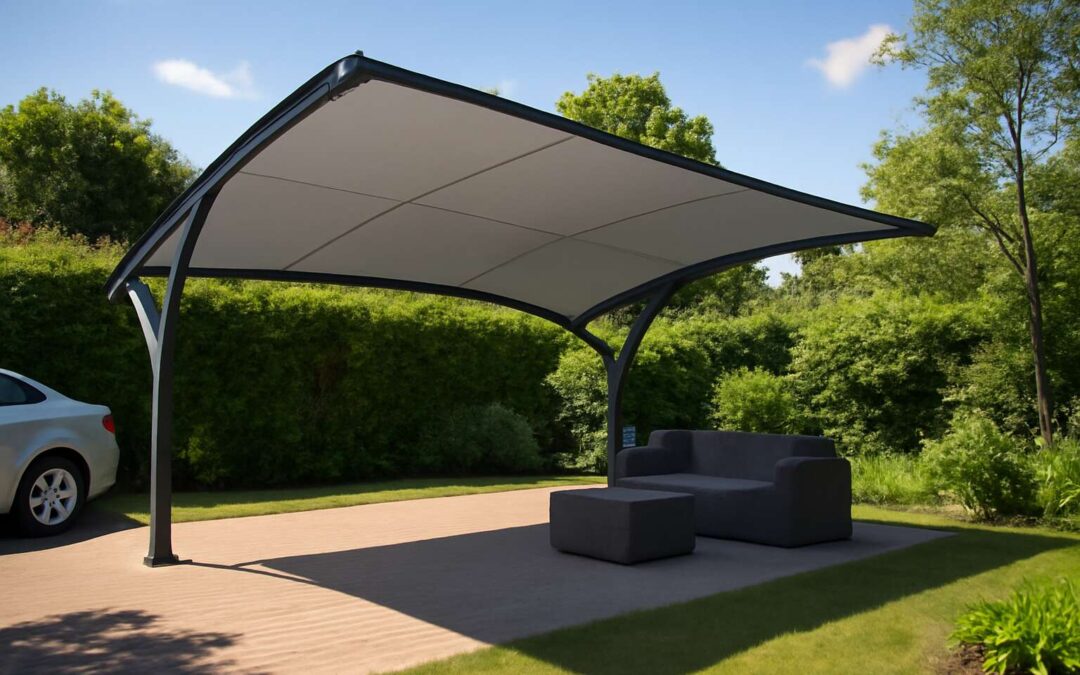
Understanding Shadeports Springs
What Are Shadeports Springs?
In the quiet symphony of South Africa’s sun-drenched landscapes, shadeports springs emerge as the unseen guardians of durability and comfort. These specialized components are the vital heartbeat within shadeports, offering resilience against the relentless march of time and weather. When the scorching sun beats down with unyielding intensity, it’s the precision of shadeports springs that ensures the structure remains steadfast, providing refuge and shade with unwavering strength.
Understanding shadeports springs is like uncovering a hidden layer of engineering artistry. They are the flexible yet robust elements that absorb shocks, tension, and movement, preventing wear and tear that could compromise the entire shade structure. Their role is crucial—ensuring that shadeports can withstand the whims of nature while maintaining their elegant form.
For those seeking longevity and reliability, the importance of high-quality shadeports springs cannot be overstated. They act as the silent sentinels, balancing the delicate dance between flexibility and sturdiness, ensuring your shadeport remains a sanctuary against the blazing sun and gusty winds. In essence, shadeports springs are the unsung heroes, quietly holding the promise of enduring protection.
The Role of Springs in Shadeports
In the intricate dance of engineering that keeps shadeports resilient, shadeports springs play a pivotal role. These unassuming components are the backbone of structural integrity, allowing the shadeport to adapt seamlessly to the unpredictable South African climate. Their flexibility absorbs the shocks of gusty winds and the relentless expansion and contraction caused by sun-heated materials, preventing fractures and fatigue.
Understanding the role of springs in shadeports reveals their importance beyond simple tension. They act as the structure’s nervous system, constantly adjusting to environmental stresses, ensuring longevity and stability. High-quality shadeports springs are designed to withstand harsh weather, making them indispensable for anyone seeking durable shade solutions. Their capacity to balance tension and flexibility safeguards your investment, providing peace of mind even amid the fiercest storms.
Types of Shadeports Springs
Torsion Springs
Within the intricate mechanics of shadeports springs, torsion springs emerge as silent guardians, tirelessly balancing the weight and tension involved. Their unique ability to store rotational energy makes them indispensable, especially when precision and durability are paramount in South Africa’s diverse climate. These springs are designed to withstand the relentless sun, wind, and occasional storms that test the resilience of shadeports.
When selecting shadeports springs, understanding the different types of torsion springs is essential. They come in various configurations—each tailored to specific needs, whether for lightweight or heavy-duty applications. For example, some torsion springs are made from high-tensile steel to endure the intense sunlight without fatigue, ensuring longevity. Others feature corrosion-resistant coatings, vital for coastal or humid environments.
To appreciate their complexity, consider the following key types of shadeports springs:
- Standard torsion springs—ideal for basic shadeport models
- Heavy-duty torsion springs—designed for larger, more demanding structures
- Corrosion-resistant torsion springs—perfect for coastal regions with high humidity
Choosing the right shadeports springs involves not only understanding these types but also recognizing the importance of proper tension and installation. After all, the strength of a shadeport’s protective canopy hinges on the unassuming yet vital torsion spring’s integrity and resilience. The human desire for shelter, after all, is fundamentally a quest for security amid chaos—an eternal truth reflected in the silent endurance of these springs.
Extension Springs
In the shadowed realms of shadeports springs, extension springs serve as the elusive arteries that pulse with life, granting flexibility and resilience to the canopy’s delicate dance with the elements. These springs, often overlooked, are the silent architects of movement, stretching and contracting in response to the whims of wind and sun. Their elasticity is a testament to the intricate craftsmanship that sustains South Africa’s diverse climate zones.
Unlike their torsion counterparts, extension springs are designed to absorb tension—pulling apart under pressure—ensuring the shadeport’s fabric remains taut and steadfast. For structures subjected to relentless gusts or fluctuating temperatures, choosing the right shadeports springs is paramount. Materials such as galvanized steel or corrosion-resistant alloys fortify these springs against the corrosive embrace of coastal humidity and the harsh African sun.
In the realm of shadeports springs, the selection often involves a nuanced understanding of their configurations:
- Heavy-duty extension springs for expansive, demanding structures
- Lightweight variants for smaller, more flexible installations
- Coated springs designed to withstand the relentless coastal humidity
Every spring, whether stretched or compressed, bears the weight of protection—a quiet guardian against chaos. The resilience of shadeports springs is a testament to the unyielding human desire for shelter amid the tumult of nature’s fury, an enduring dance of tension and release.
Gas Spring Mechanisms
Within the shadowed corridors of shadeports springs, a quiet revolution unfolds—gas spring mechanisms that breathe life into the silent guardians of shelter. These springs, cloaked in mystery and precision, operate on the principle of controlled motion, offering a delicate balance between ease and resilience. Their allure lies in their ability to facilitate effortless opening and closing, transforming cumbersome movements into a ballet of mechanical grace.
Unlike traditional springs, gas spring mechanisms harness the power of compressed gas sealed within a cylinder, creating a force that stabilizes and supports the shadeport’s canopy with uncanny finesse. Whether it’s a subtle lift or a gentle descent, these springs provide a seamless experience, ensuring the structure endures the relentless passage of time and elements.
In the realm of shadeports springs, the choice often hinges on specific application needs. For example, some configurations include:
- Adjustable gas springs for tailored tension control
- High-pressure variants designed for larger, more demanding structures
- Corrosion-resistant gas springs ideal for coastal environments
Each mechanism whispers a promise of durability, resilience, and a touch of the sublime—an unseen force safeguarding our sanctuaries from the chaos of nature. In this dance of tension and release, shadeports springs become the silent custodians of comfort, holding back the fury of South Africa’s harsh sun and gusting winds with unwavering resolve.
Benefits of Using Shadeports Springs
Enhanced Durability
In the unpredictable climate of South Africa, durability isn’t just a luxury—it’s a necessity. That’s where shadeports springs come into play, transforming ordinary shade structures into resilient shields against the elements. Their enhanced durability ensures that your shadeports withstand the relentless African sun, fierce winds, and sudden storms, maintaining their integrity year after year.
Imagine a shadeport that not only offers instant protection but also resists wear and tear with unwavering strength. Shadeports springs are engineered to absorb shocks, reduce stress on the frame, and extend the lifespan of your entire installation. This means fewer repairs, less maintenance, and a longer-lasting solution for your outdoor spaces.
By investing in high-quality shadeports springs, you’re choosing reliability. Their robust construction provides a stable foundation, even under extreme conditions. Features like corrosion resistance and fatigue durability make these springs a vital component for any shadeport aiming for longevity and superior performance in South Africa’s rugged environment.
Smooth Operation
When it comes to outdoor protection in South Africa, smooth operation isn’t just a convenience—it’s an essential. Shadeports springs play a pivotal role in ensuring that your shade structures open and close effortlessly, even under the harshest conditions. Imagine a summer storm rolling in suddenly; a well-functioning shadeport with reliable springs can be adjusted swiftly, providing instant relief from the blazing sun or unexpected downpour.
The secret lies in the engineering finesse of shadeports springs, which absorb shocks and reduce strain on the entire system. This resilience translates into fewer interruptions and maintenance issues, saving you time and money in the long run. Plus, their precision design guarantees consistent performance, meaning your shadeport remains operational season after season, rain or shine.
By choosing high-quality shadeports springs, you’re investing in a seamless, durable solution that enhances user experience while extending the lifespan of your outdoor shading setup. These springs ensure that your shadeport’s movement is fluid, reliable, and ready to withstand South Africa’s unpredictable climate every day of the year.
Corrosion Resistance
In the vibrant tapestry of South Africa’s outdoor lifestyle, resilience against the elements is paramount. One of the often-overlooked heroes behind the longevity of shadeports is the humble yet vital component: shadeports springs. Among their many benefits, corrosion resistance stands out as a cornerstone for ensuring these springs perform flawlessly despite relentless exposure to our unpredictable climate.
Imagine the relentless sun, salty sea air, and sudden downpours—all demanding that outdoor fixtures stand firm. High-quality shadeports springs are engineered with corrosion-resistant materials that withstand such harsh conditions, preserving their integrity over time. This durability not only maintains the seamless operation of your shade structure but also minimizes costly replacements and repairs. When your shadeports springs are resistant to corrosion, you’re investing in a future where outdoor protection remains steadfast, season after season.
For those seeking an extra layer of assurance, here’s what corrosion-resistant shadeports springs offer:
- Extended lifespan even in coastal or humid environments
- Consistent, reliable performance regardless of weather fluctuations
- Reduced maintenance needs, saving time and expenses
Choosing shadeports springs with superior corrosion resistance means embracing resilience—an elegant safeguard that ensures your outdoor space remains a sanctuary of comfort and shade, come rain or shine. The artistry lies not just in design but in the silent strength of these springs, quietly working to uphold the beauty and functionality of your shadeport amidst South Africa’s ever-changing climate.
Energy Efficiency
In the realm of outdoor comfort, the true marvel lies in the understated—like the silent guardian that keeps your shadeport functioning flawlessly: shadeports springs. Beyond their basic role, these springs contribute significantly to energy efficiency, a vital consideration as South Africa’s climate becomes increasingly unpredictable. When your shadeports springs are meticulously chosen for durability and resilience, they help maintain optimal tension and alignment, reducing the need for energy-draining adjustments or repairs.
Imagine a shadeport that responds smoothly to the slightest breeze, effortlessly adjusting to weather fluctuations. This is where the versatility of shadeports springs shines—whether torsion, extension, or gas spring mechanisms—each type is engineered to optimize performance, minimizing strain on the entire structure. The result? A shadeport that not only conserves energy but also preserves your peace of mind during those sweltering summer days or sudden downpours.
In essence, investing in high-quality shadeports springs is choosing a future of sustained efficiency and reduced operational costs. The understated elegance of these springs lies in their ability to silently uphold the aesthetic appeal and functional integrity of your outdoor space—making every day under your shadeport a testament to thoughtful engineering and silent strength.
Factors to Consider When Choosing Shadeports Springs
Material Quality
Choosing the right shadeports springs begins with a keen eye on material quality—an often overlooked but vital aspect that can make or break the longevity of your shadeport structure. In South Africa’s climate, where harsh sun and unpredictable weather are part of daily life, durability is paramount. High-quality shadeports springs are crafted from materials that resist corrosion, ensuring your investment remains steadfast through years of exposure.
When evaluating materials, consider options like galvanized steel or stainless steel, renowned for their resilience. These materials not only withstand the elements but also maintain their flexibility and strength over time. Remember, the right shadeports springs should seamlessly combine robustness with smooth operation, providing a reliable performance without frequent replacements.
Here are some factors to keep in mind:
- Corrosion resistance to combat South Africa’s coastal air and humidity
- Strength and flexibility to endure frequent use and tension
- Quality craftsmanship that guarantees consistent spring tension and performance
Spring Size and Dimensions
Choosing the right shadeports springs isn’t just a matter of size; it’s about finding a harmonious balance between durability and functionality. In South Africa’s unpredictable climate, where gusts of wind can turn into mini tornadoes and the sun blazes with relentless intensity, the size and dimensions of your shadeports springs are critical. An ill-fitting spring can cause your shadeport to flop around like a tired puppet, or worse, fail prematurely.
When evaluating shadeports springs, consider their tension capacity and how they integrate with your structure’s dimensions. Oversized springs might provide extra tension, but they can also strain the framework, leading to costly repairs. Conversely, undersized springs might not offer enough support, causing sagging or collapse. It’s a delicate dance—much like trying to fit a square peg into a round hole—so precise measurements are essential. Remember, properly sized shadeports springs ensure smooth operation and prolong the lifespan of your shadeport, no matter what Mother Nature throws your way.
Load Capacity
Choosing the right load capacity for your shadeports springs is akin to selecting the perfect melody—each note must harmonize with the environment and structure. In South Africa’s capricious climate, where unpredictable gusts and searing sun threaten to unravel the fabric of your shadeport, understanding the nuances of load capacity becomes paramount. A spring that can handle the maximum tension without strain not only ensures smooth operation but also guards against premature wear and tear.
Consider the weight and size of your shadeport, as these directly influence the ideal shadeports springs. Too much tension can cause unnecessary stress on the framework, while too little jeopardizes stability. When evaluating options, I often recommend a meticulous assessment of your local weather patterns and structural demands. Remember, the right spring load capacity acts as a silent guardian—absorbing shocks and maintaining perfect tension through every gust and glare.
Compatibility with Shadeports Design
Choosing the right shadeports springs isn’t just about picking something that fits—you need a spring that truly complements your shadeport’s design and your environment’s quirks. In South Africa’s unpredictable climate, where gusts can turn your outdoor oasis into a wild rollercoaster, compatibility with your shadeports design is crucial. A mismatched spring can turn smooth operation into a bumpy ride, causing unnecessary stress and potential damage.
When assessing your options, consider the size and overall aesthetic of your shadeport. The springs should seamlessly integrate into the framework, providing reliable tension without overpowering the structure. Think of it as finding the perfect dance partner—too stiff, and the dance becomes jerky; too lax, and it’s a clumsy shuffle. For optimal performance, look for shadeports springs that are tailored to your specific design, ensuring they harmonize with both the structure and the environmental demands. After all, a well-matched spring is the silent hero behind a sturdy, long-lasting shadeport setup.
To simplify your decision-making process, I often recommend evaluating:
- The size and weight of your shadeport
- The typical weather conditions in your area
- The spring’s compatibility with your shadeports design
By paying attention to these factors, you ensure that your shadeports springs not only fit perfectly but also enhance durability and ease of operation—so your outdoor space stays shaded and stress-free, no matter what the South African weather throws at you.
Installation and Maintenance of Shadeports Springs
Proper Installation Techniques
In the intricate dance of shadeports springs, precision during installation is paramount—each twist and tension must be calibrated with meticulous care to ensure seamless operation and longevity. A misstep in the installation process can lead to uneven wear, reduced load capacity, or even premature failure, undermining the very purpose of robust shadeports. When installing shadeports springs, it’s essential to follow proper techniques that respect the delicate balance these components maintain within the system.
Proper installation begins with thorough measurement and selection of the correct spring size and dimensions, aligning with the specific shadeport design and load requirements. Ensuring the springs are seated correctly in their mounts prevents unnecessary strain and guarantees smooth operation over time. For added durability against the South African climate, choosing corrosion-resistant materials is equally vital—these springs withstand the elements without compromising their structural integrity.
To streamline the installation process, consider these key steps:
- Confirm compatibility between the shadeports springs and the shadeport framework.
- Apply consistent tensioning techniques to avoid uneven load distribution.
- Secure the springs firmly, avoiding any slack that could cause operational hiccups.
Consistent maintenance of shadeports springs not only preserves their energy efficiency but also ensures the longevity of the entire shadeport system, offering peace of mind amidst unpredictable weather patterns and daily wear. When executed with precision, the installation of shadeports springs becomes an art—an investment in resilience and functionality that endures beyond fleeting seasons.
Regular Maintenance Tips
Maintaining your shadeports springs isn’t just about keeping them functional—it’s about prolonging their life and ensuring your shadeport system stays resilient against South Africa’s ever-changing weather. Regular maintenance can seem like a chore, but neglecting those tiny, vital springs can lead to costly replacements and frustrating operational hiccups. Trust me, a little TLC now saves a lot of headaches later!
Start by inspecting your shadeports springs for signs of wear, rust, or slackness—think of it as giving your system a health check-up. When tension begins to waver or if you notice uneven movement, it’s time for a tweak. A simple lubrication with appropriate products can prevent unnecessary friction and corrosion, especially vital given our salty coastal air!
- Check the tension; if the springs are too loose, they won’t support the shade properly.
- Clean off debris or dirt that might hinder smooth operation.
- Replace any springs showing signs of fatigue or corrosion promptly—don’t wait for a spring to snap!
Adopting these straightforward yet crucial steps will keep your shadeports springs functioning flawlessly, ensuring your shadeport remains a sturdy shield from the sun for years to come. Because in the world of shadeports, well-maintained springs are the unsung heroes of longevity and smooth operation!
Signs of Wear and When to Replace
Installing shadeports springs might seem straightforward, but getting it right is crucial for longevity and safety. A poor installation can turn your sturdy shadeport into a floppy mess faster than you can say “spring failure.” Proper installation techniques ensure that the tension and support are calibrated perfectly, preventing premature wear and tear. Remember, a spring installed at the wrong angle or with inadequate anchoring can spell disaster for your shadeport’s durability.
Signs of wear on shadeports springs are often subtle — a slight sag or uneven movement can be early warning signals. Rust, corrosion, and slackness are the telltale signs that your springs might be nearing the end of their lifespan. If ignored, these issues can escalate, leading to sudden failure when you least expect it. Regular visual inspections are your first line of defense against unexpected shadeport mishaps.
When it’s time to replace shadeports springs, don’t delay. A spring showing visible fatigue—cracks, corrosion, or a significant loss of tension—should be swapped out promptly. Waiting too long risks spring breakage, which can cause costly damage and safety hazards. Remember, a quick replacement with the correct spring size and load capacity keeps your shadeport functioning flawlessly and protects your investment in the long run.
Where to Buy Shadeports Springs
Trusted Suppliers and Manufacturers
In the bustling corridors of South Africa’s construction and home improvement markets, finding trusted suppliers for shadeports springs is akin to discovering a hidden treasure. These vital components, often overlooked yet essential for the seamless operation of shadeports, demand suppliers who understand the delicate balance of durability and precision. The right manufacturer doesn’t just sell springs—they craft solutions that withstand the relentless African sun and the unpredictable whims of weather, offering peace of mind that your shadeport will serve faithfully through the years.
When seeking where to buy shadeports springs, prioritise reputable manufacturers renowned for their commitment to quality and innovation. Trusted suppliers often provide a comprehensive range of options, meticulously engineered to match specific load capacities and dimensions. Here’s a quick glance at what to look for:
- Material excellence—corrosion-resistant alloys that endure South Africa’s coastal and inland climates.
- Customization capabilities—ensuring that each shadeports spring fits perfectly into your unique design.
- Certification and compliance—adherence to industry standards guarantees longevity and safety.
By choosing from established and reputable suppliers, you invest not only in superior shadeports springs but also in the assurance that your shadeport will perform flawlessly, spring after spring, season after season.
Custom vs. Standard Springs
When it comes to sourcing shadeports springs, the choice between custom and standard options can significantly influence your project’s success. Custom springs are meticulously crafted to match the unique specifications of your shadeport, ensuring perfect fit and optimal performance. These springs are essential when dealing with complex designs or specific load requirements, providing tailored solutions that standard springs simply cannot match.
On the other hand, standard shadeports springs offer convenience and affordability, readily available from reputable suppliers. They are ideal for straightforward applications where off-the-shelf components suffice, saving time without compromising quality. The key difference lies in flexibility; custom springs cater to bespoke needs, while standard springs deliver quick, reliable results for typical installations.
- Assess the load capacity needed based on your shadeport’s size and use.
- Consult with suppliers to determine whether custom or standard shadeports springs best suit your project.
- Factor in environmental conditions—coastal, inland, or high UV exposure—that can influence spring durability.
Ultimately, understanding the nuances of custom versus standard shadeports springs can make all the difference in creating a durable, efficient shade solution tailored precisely to your needs. The right supplier will guide you through this decision, ensuring your shadeport remains resilient and functional for years to come.
Cost and Warranty Considerations
Finding the right source for shadeports springs doesn’t have to be a challenge, but price and warranty options can vary widely. Reliable suppliers often offer competitive costs, especially when buying in bulk for larger projects. It’s worth comparing quotes from different manufacturers to ensure you’re getting the best value for your money. A robust warranty is equally important, as it guarantees your shadeport springs will perform reliably under stress and over time.
When evaluating where to purchase shadeports springs, consider the supplier’s reputation for quality and customer service. Many suppliers provide detailed product specifications and warranties that can span several years; this reflects their confidence in the durability of their springs. If you’re unsure about the best fit, some suppliers offer consultation services to help you select the perfect spring type—whether standard or custom—to suit your project’s unique needs.
Additionally, some suppliers have flexible pricing structures based on order volume, which can significantly reduce costs. It’s wise to request quotes that include not only the initial purchase price but also potential after-sales support. Remember, a good warranty on your shadeports springs can save money in the long run, especially in environments prone to corrosion or high UV exposure. Always choose reputable sources to ensure your investment remains resilient and dependable for years to come!
Expert Advice on Shadeports Springs
Consulting with Professionals
When it comes to ensuring your shadeports springs operate flawlessly, consulting with professionals is not just a good idea—it’s an absolute necessity. In the world of shadeports, springs are the unsung heroes, quietly bearing the weight of heavy fabric and ensuring smooth operation under the harsh South African sun. But here’s the catch: not all springs are created equal, and choosing the wrong type can turn your shadeport into a sagging, rusty relic faster than you can say “replacement.”
Expert advice can save you from costly mistakes and ensure your shadeports springs are perfectly suited to your specific needs. Professionals will assess factors such as load capacity, material quality, and compatibility with your shadeport’s design, making sure every spring performs optimally over the long haul. Remember, a well-chosen spring enhances durability, corrosion resistance, and energy efficiency—truly turning your shadeport into a fortress of shade and style. So, don’t gamble with DIY fixes; trust the expertise of those who understand the intricacies of shadeports springs and keep your outdoor space looking sharp and functioning flawlessly.
DIY vs. Professional Installation
When it comes to shadeports springs, expertise makes all the difference. While a DIY approach might seem tempting to save costs, the risk of installing the wrong type of spring can be costly in the long run. Springs are the backbone of your shadeport’s functionality, and improper installation can lead to sagging fabric, rust, or even complete failure. That’s why consulting with professionals is essential—especially when dealing with the unique demands of South African weather conditions.
Professional installation ensures that your shadeports springs are precisely matched to the load capacity and design of your shadeport. They assess critical factors such as material quality, spring size, and compatibility, making sure every component performs flawlessly. The added benefit? Properly installed springs enhance durability, corrosion resistance, and energy efficiency, turning your outdoor space into a resilient haven of shade.
For those considering a DIY fix, keep in mind that not all shadeports springs are created equal. Some might be tempting due to lower costs, but without expert guidance, you risk choosing springs that don’t withstand harsh sun and humidity. In the end, trusting seasoned professionals guarantees your shadeport remains sturdy and reliable for years to come—because when it comes to shadeports springs, precision is everything.
Common Troubleshooting Issues
When it comes to troubleshooting shadeports springs, having expert advice can be a game-changer. These vital components often hide behind the scenes but are crucial for smooth operation and longevity. One common issue is sagging fabric, which can indicate that the springs have lost tension or become worn out. Recognizing early signs of wear—such as unusual noises, difficulty in extending or retracting—can save you from costly repairs down the line.
Professionals emphasize that understanding the specific type of shadeports springs—whether torsion, extension, or gas spring—is essential for accurate diagnosis. They often inspect for corrosion, fatigue, or misalignment that might compromise performance. Sometimes, the problem isn’t with the spring itself but with compatibility or improper installation. In such cases, a detailed assessment ensures the right spring size and load capacity are chosen, restoring your shadeport’s resilience.
For reliable troubleshooting, consider these steps:
- Check for visible rust, cracks, or deformation
- Test the spring tension manually to detect loss of strength
- Ensure the spring is properly aligned and installed
Addressing shadeports springs issues early not only extends the lifespan of your installation but also maintains its energy efficiency and resistance to South Africa’s harsh weather conditions. Sometimes, even minor irregularities require a professional’s eye, especially when dealing with high-quality, custom-made shadeports springs designed for specific loads and environments. When in doubt, consulting with experts ensures your outdoor space remains a sanctuary of shade and comfort for years to come!
