
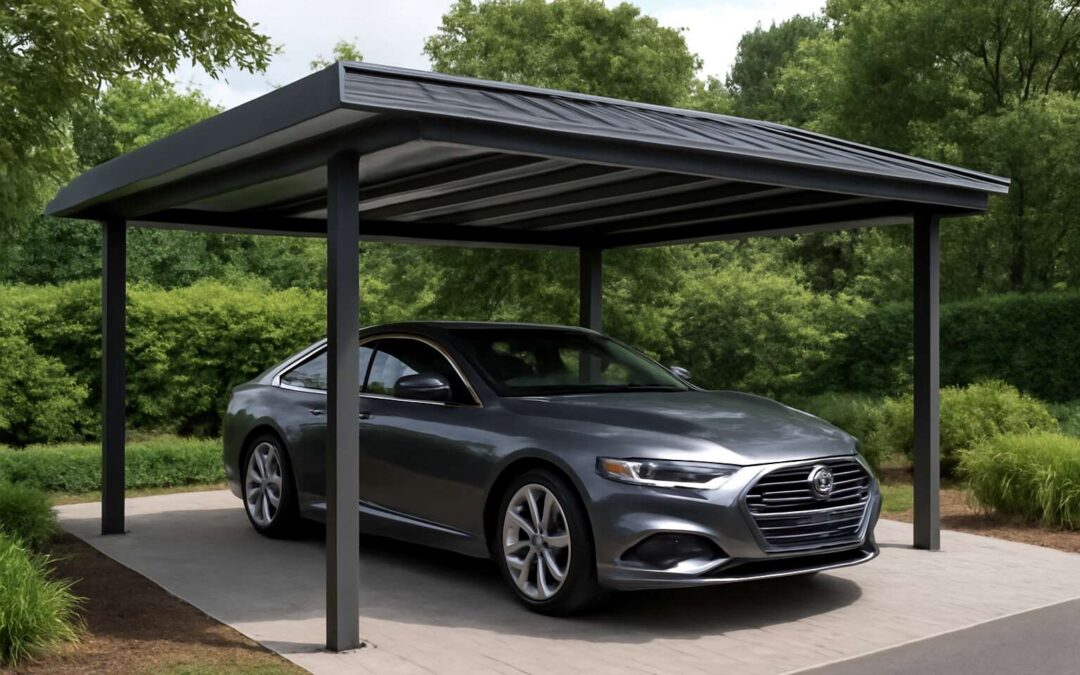
Overview of Different Carport Structures
Types of Carports
In the shadowed realms of architectural design, the variety of carport types stands as a testament to human ingenuity and the desire for shelter amidst chaos. Each structure, whether forged from steel or timber, whispers a story of protection and resilience. As the sun’s relentless gaze pierces through the South African skies, the need for a robust carport becomes ever more essential.
Among the myriad of options, a few stand out for their versatility and aesthetic appeal. For example, the traditional gable carport, with its pitched roof, offers a timeless elegance that complements both modern and rustic homes. Alternatively, flat-roof carports provide a sleek, minimalist visage that seamlessly blends into contemporary landscapes.
Understanding the different carport types is crucial for those seeking durability, style, and functionality. Whether opting for a freestanding structure or an attached shelter—each choice influences the overall harmony of your property. The variety of carport types available ensures that every homeowner can find a solution tailored to their unique needs and the unforgiving South African climate.
Attached Carports
Design and Features
Attached carports are a compelling choice for homeowners seeking seamless integration with their existing structures. Their design not only maximizes space but also enhances the aesthetic appeal of the property. When considering carport types, attached models stand out for their ability to provide immediate shelter and easy access, especially during South Africa’s unpredictable weather. Imagine pulling into your driveway, shielded from the scorching sun or sudden downpours—it’s a luxury that adds both convenience and value.
One of the key features of attached carports is their customizable design that allows for a variety of styles and materials, ensuring they complement your home’s architecture. They can be constructed with durable materials such as steel, timber, or aluminum, each offering different benefits in terms of longevity and maintenance. For those prioritizing practicality, attached carports can also be built with integrated storage solutions or lighting, making them not just a shelter but a functional extension of your living space.
In the realm of carport types, the versatility of attached designs is unmatched—offering options like:
- Open-sided structures for easy access and ventilation
- Enclosed designs with side panels for added protection
- Gable or flat roof configurations to suit aesthetic preferences
Choosing the right attached carport hinges on understanding your specific needs and the architectural flow of your home—an investment that balances practicality with style in every detail.
Advantages and Disadvantages
Attached carports are often celebrated for their seamless integration into a home’s existing architecture, but they come with their own set of advantages and challenges. Their primary benefit lies in the convenience they offer — immediate shelter from South Africa’s unpredictable weather, shielding vehicles from scorching sun and sudden downpours. This level of protection can significantly extend the lifespan of your vehicle while adding to the overall value of your property.
However, when weighing carport types, it’s important to consider potential limitations. Attached carports can sometimes limit access to certain areas of your property, and their construction may require careful planning to ensure proper drainage and structural integrity. Additionally, if not designed with quality materials like steel, timber, or aluminum, durability could become an issue over time.
Choosing the right attached carport often involves evaluating its features and how they align with your specific needs. For instance, some models offer open-sided designs for maximum ventilation and easy access, while others include side panels for enhanced protection. Whether you opt for a gable or flat roof configuration, understanding these nuances helps craft a space that balances practicality with aesthetic appeal, making your investment truly worth every cent.
Ideal Uses
Attached carports are a versatile solution for homeowners seeking convenience and integrated design. They are particularly ideal for properties where space is limited or where seamless aesthetic continuity is desired. These carport types are often chosen for their ability to blend effortlessly with the existing structure, creating a cohesive look that enhances curb appeal. In South Africa, where unpredictable weather can quickly turn a parked vehicle into a victim of sun or rain, attached carports provide immediate shelter, protecting your investment from the elements.
They are especially suitable for urban environments or tight plots, where maximizing space is crucial. For instance, an attached carport can double as a covered entryway, offering both practical shelter and a welcoming entrance. Some models are designed with features like open sides for ventilation, while others include side panels that provide extra protection from wind-blown debris. The choice of carport types often hinges on how well they fit into your property’s layout and your specific needs, whether it’s quick access or added security for your vehicle.
Detached Carports
Design and Features
Detached carports are the rebellious cousins of attached garages—standing proudly apart from your main dwelling, offering a splash of architectural flair and a whole lot of practicality. When considering carport types, this design choice screams flexibility, allowing for creative customization without the constraints of existing structures. Whether you prefer a sleek modern look or a rustic charm, the detached variety accommodates both, making it a versatile option for South African homeowners looking to protect their investment from sun, rain, or the occasional curious elephant passing by.
One of the standout features of detached carports is their ease of installation and maintenance. They can be tailored to match your property’s aesthetic and are often constructed with durable materials like steel, timber, or aluminum—each offering a different vibe and level of resilience. Plus, since they’re standalone, they don’t interfere with your home’s facade or interior layout, giving you the freedom to choose from a range of carport types based on space availability and personal preference.
- Customizable design options
- Enhanced flexibility in placement
- Ease of maintenance and upgrades
- Potential to increase property value
Benefits and Limitations
Detached carports offer a unique blend of independence and elegance that many South African homeowners find irresistible. Their benefits extend far beyond mere protection from the elements; they serve as a statement of style, a versatile addition that elevates the entire property. One of the most compelling advantages of choosing a detached carport is its potential to increase property value—an investment that pays dividends in both aesthetics and practicality.
However, like any architectural feature, they come with limitations. While their standalone nature provides unmatched flexibility, it can also mean higher initial costs and more complex planning. In some cases, space constraints or local regulations may restrict their placement, requiring careful consideration during design. Nevertheless, the charm and functional appeal of a well-crafted detached carport often outweigh these hurdles, making it a favored choice among discerning homeowners seeking to marry form and function seamlessly.
Suitable Settings
In the grand tapestry of South African architecture, detached carports emerge as versatile canvases—spaces where practicality meets poetic expression. Their suitability extends beyond mere protection, transforming into a sanctuary that complements the aesthetic rhythm of the home. Ideal settings for these carport types often include sprawling gardens, modern minimalist facades, or traditional homesteads seeking a touch of elegance.
Imagine a quiet cul-de-sac where a detached carport stands like a guardian, its silhouette echoing the harmony of nature and design. These structures flourish in environments where space is abundant, allowing for creative customization—be it a rustic timber canopy or sleek, contemporary steel frames. For those seeking to elevate their property’s allure, understanding the suitable settings for different carport types becomes an art, blending function with the poetic charm of South Africa’s diverse landscapes.
Open-Sided Carports
Characteristics
Open-sided carports are the minimalist’s dream—simple, straightforward, and practically begging for a breeze to keep your vehicle cool during those scorching South African summers. Their defining characteristic? They boast no walls on at least one side, allowing for easy access and superb ventilation. If you’re tired of your car feeling like a convection oven, this type of carport might just be your new best friend.
But don’t let their simplicity fool you—these carport types are incredibly versatile and can be customized with various roofing options to match your home’s aesthetic. Plus, their open design means less maintenance and quicker installation, making them a popular choice for budget-conscious homeowners who value functionality over flair. Whether you’re parking a family sedan or a rugged 4×4, open-sided carports provide the perfect shelter without the fuss. Just imagine: no more wrestling with doors in tight spaces or trying to squeeze into a cramped garage after a long day!
Pros and Cons
Open-sided carports are often underestimated, yet they pack a punch when it comes to practicality and cost-effectiveness. One of their biggest advantages is airflow—imagine your vehicle staying cool even during South Africa’s blistering summer heat. This natural ventilation keeps paintwork pristine and engines from overheating, making open-sided carports a smart choice for many homeowners.
However, these carport types do come with some drawbacks. Their open design offers less protection against the elements—think heavy rain, falling leaves, or dust storms that can quickly turn your car into a dirt magnet. For those living in areas prone to harsh weather, this could mean more frequent cleaning and maintenance. Despite this, their quick installation and low cost make them irresistible for those seeking functionality without frills.
Ultimately, the decision hinges on your specific needs. If you value easy access and excellent ventilation above all else, open-sided carports are a compelling option. For added protection, consider optional roofing upgrades or side panels—these tweaks can transform a simple carport into a more resilient shelter, all within the realm of the various carport types available today.
Best For
Open-sided carports are a beacon of practicality, especially for South African homeowners seeking a seamless blend of function and affordability. These carport types excel in areas where airflow and ventilation are paramount—imagine your vehicle basking in the cool breeze during scorching summer days! The natural flow of air not only keeps your car paintwork pristine but also prevents engine overheating, making open-sided carports a truly clever choice.
They are best suited for settings where quick access and minimal maintenance are priorities. Whether you’re parking a family sedan or a compact city vehicle, the open design provides effortless entry and exit. Plus, their straightforward construction means they can be installed swiftly, often at a fraction of the cost of more elaborate structures.
For those seeking to elevate their open-sided carport, consider adding side panels or upgrading the roofing—these simple modifications can enhance protection against harsh weather while maintaining the airy feel. When choosing from the diverse carport types, keep in mind that open-sided variants embody versatility, making them ideal for a variety of settings across South Africa’s diverse landscape.
Enclosed Carports
Features and Materials
Enclosed carports are the fortresses of the vehicle world—combining protection with style, and often a dash of mystery. Their sturdy construction shields your prized ride from South Africa’s unpredictable weather, be it scorching sun or sudden downpours. When considering carport types, the choice of features and materials becomes paramount to ensure longevity and aesthetic appeal.
Typically, enclosed carports are crafted from a variety of materials—each with its own charm and practical benefits. Steel frames are the heavy lifters, offering durability and a modern look, while timber provides a warm, traditional vibe that blends seamlessly with natural surroundings. For the roofing, options range from corrugated metal sheets to polycarbonate panels, allowing for a mix of sunlight filtration and rain resistance.
To maximize functionality, some enclosed carports incorporate features such as lockable access doors, ventilation systems, and integrated lighting. And for those who love a dash of customization, the choice of materials and features can be tailored to match the architectural style of your home, making your carport not just a shelter, but a statement piece. After all, a well-crafted carport type isn’t just about protection—it’s about elevating your property’s curb appeal with flair and finesse.
Advantages and Drawbacks
Enclosed carports are often hailed as the ultimate guardians of your vehicle, offering a blend of security and style that transforms a simple shelter into a statement piece. Their robust construction provides a fortress-like shield against South Africa’s unpredictable weather—be it fierce sun, heavy rain, or even the occasional hailstorm. But beyond protection, these structures boast an array of features that can elevate your property’s aesthetic appeal.
One of the key advantages of enclosed carport types is their versatility. They can be customized with lockable doors, ventilation systems, and integrated lighting, creating a space that’s both functional and secure. However, it’s important to consider some drawbacks as well. Enclosed carports often entail higher initial costs and require more maintenance compared to open or semi-open options. Additionally, their solid construction can sometimes limit airflow, which may affect the vehicle’s long-term preservation in humid or rainy climates.
Despite these considerations, many homeowners find that the benefits—such as added privacy and enhanced curb appeal—far outweigh the drawbacks. When selecting from the various carport types, understanding these nuances ensures you make an informed decision that complements your lifestyle and property. In the end, choosing the right enclosed carport can turn an ordinary parking space into a charming extension of your home’s character and charm.
Ideal Environment
Enclosed carports carve out a sanctuary of protection amidst South Africa’s capricious weather, where fierce sun and sudden hailstorms threaten to mar your vehicle’s pristine exterior. Their sturdy walls and lockable doors transform a simple shelter into a bastion of security, shielding your prized possession from both the elements and prying eyes. For those seeking a harmonious blend of functionality and aesthetic allure, enclosed carport types offer an elegant solution that elevates your property’s character.
These structures thrive in environments where privacy and long-term vehicle preservation are paramount. They are particularly suited for properties in regions prone to high humidity and heavy rains, as their solid construction limits airflow—an aspect to consider when planning maintenance routines. The versatility of enclosed carports allows for customization with ventilation systems, lighting, and additional security features, making them an ideal choice for homeowners who desire both form and function.
When contemplating the ideal environment for a carport, it’s essential to recognize the specific needs of your property. Consider the following factors:
- Climatic conditions—how often does your area experience extreme weather events?
- Security requirements—do you need a space that deters theft and vandalism?
- Design preferences—are you seeking a seamless aesthetic or a statement piece?
In the shadowed corners of South Africa’s diverse landscape, enclosed carport types stand as guardians—silent witnesses to the passage of time, offering enduring shelter wrapped in a cloak of protection and style.
Different Roofing Options
Metal Roof Carports
Metal roof carports are the superheroes of the carport universe, offering durability that laughs in the face of South Africa’s relentless sun and unpredictable hailstorms. These structures don’t just look sleek—they’re built to withstand the elements without requiring a second mortgage for maintenance. When considering different roofing options for carports, metal roofs stand out as the MVP, combining longevity with a modern aesthetic that can complement any property.
One of the key advantages of metal roof carports is their resistance to rust and corrosion—crucial in coastal areas where salty air turns most materials into scrap metal faster than you can say “replacement.” Plus, they’re energy-efficient, reflecting heat rather than absorbing it, which helps keep your vehicle cooler on those scorching summer days. For those who crave variety, options range from classic corrugated sheets to sleek standing seam designs, ensuring you find a style that fits your vision and budget.
- Long-lasting performance
- Low maintenance requirements
- Enhanced weather resistance
- Design versatility
Wooden Roof Carports
Wooden roof carports evoke a timeless charm, blending rustic elegance with natural warmth. These structures transform any driveway into a welcoming haven, resonating with the organic beauty of South Africa’s diverse landscapes. Unlike their metal counterparts, wooden carport types exude a cozy, traditional vibe that can be customized with intricate joinery or decorative touches, making them a favorite for homeowners seeking a personal touch.
While wooden roof carports might seem delicate at first glance, advances in treatment and design ensure they stand resilient against the elements. Their natural insulation properties help regulate temperature, offering a shaded refuge for your vehicle during those sweltering summer months. If durability is a concern, consider options like cedar or treated pine, which provide added resistance to rot and pests.
Choosing a wooden roof carport opens up a world of creative possibilities. For example, you could opt for a
- gable roof design
- hip roof style
- or a more modern flat roof
—each adding its own character to your property. The versatility of wood as a material makes it a compelling choice among carport types, allowing homeowners to craft a structure that truly reflects their personal aesthetic.
Polycarbonate and Other Materials
When it comes to safeguarding your treasured vehicle, the choice of roofing material can transform a simple structure into a masterpiece of durability and elegance. Polycarbonate, with its crystal-clear clarity and resilience, offers a luminous shield against the harsh African sun while remaining lightweight and easy to install—an ideal option among various carport types. Its ability to diffuse sunlight reduces heat build-up, creating a cooler haven for your vehicle during scorching summer days.
Other materials, such as galvanized steel or aluminum, bring their own unique qualities to the table. Steel, renowned for its strength, ensures longevity and sturdiness, while aluminum offers a lighter alternative with excellent corrosion resistance. These materials are often preferred for their low maintenance and sleek modern appeal, making them popular choices among contemporary carport designs. The versatility of these roofing options allows homeowners to craft a structure that not only protects but also elevates the aesthetic of their property.
- Polycarbonate: translucent, durable, lightweight
- Galvanized steel: robust, weather-resistant, strong
- Aluminum: corrosion-resistant, lightweight, sleek
Whether you lean toward the luminous beauty of polycarbonate or the resilience of metal, exploring the different roofing options for carport types opens a world of creative possibilities. Each material, with its own poetic blend of form and function, ensures that your vehicle remains protected under a canopy that echoes your personal style and the rugged beauty of South Africa’s landscapes. The right choice transforms an everyday necessity into a statement of craftsmanship and care.
Custom and Unique Carport Designs
Customized Carports
In a world where functionality often shadows artistry, the allure of custom and unique carport designs emerges as an oasis of individuality. A mere shelter transforms into a statement—a reflection of personality etched into the landscape. For those seeking to carve out a distinct identity amidst the mundane, customized carports offer an enticing canvas. From intricate wrought iron accents to bespoke roofing materials, every element whispers a story of craftsmanship and vision.
In South Africa, where climate extremes demand resilient yet elegant solutions, tailored carport types become an essential part of the aesthetic landscape. Imagine a structure that not only protects your vehicle but elevates your entire property’s character. The possibilities are vast, encompassing bold architectural features and subtle harmony with surrounding nature.
- Personalized design elements
- Materials that withstand harsh weather
- Seamless integration into existing architecture
Such bespoke creations are more than mere utility—they are an extension of your spirit, crafted to endure and inspire.
Innovative Materials and Styles
In a landscape where practicality often eclipses artistry, custom and unique carport designs challenge the norm, transforming a simple shelter into a bold statement of individuality. South Africa’s diverse climate demands innovative materials and styles that don’t just protect but also elevate property aesthetics. This is where tailored carport types truly shine—each one a testament to craftsmanship, blending resilience with artistic expression.
Imagine a structure that seamlessly integrates into the existing architecture while showcasing personalized design elements. From sleek, modern lines to intricate wrought iron accents, these bespoke creations reflect a deeper human desire for self-expression through functional spaces. The choice of materials plays a pivotal role—durable, weather-resistant options like treated wood, galvanized metal, or polycarbonate ensure longevity in South Africa’s extreme conditions.
In the realm of carport types, flexibility is key. For instance, a bold architectural feature might incorporate a layered roof design or a combination of materials, creating visual harmony with natural surroundings. The versatility of custom designs often leads to the inclusion of innovative styles such as angular modernity or rustic charm, each tailored to resonate with personal taste and environmental demands.
Ultimately, choosing the right carport type involves more than protection—it’s about crafting a narrative that echoes your individuality and respect for the environment. The right materials and design elements turn a utilitarian structure into an enduring symbol of identity and resilience, especially vital in a country where weather extremes are a constant challenge.
Factors to Consider When Choosing a Carport
Climate and Weather Resistance
Climate and weather resistance are often overlooked facets when selecting the perfect carport types. Yet, these elements are the silent guardians of your vehicle’s longevity and your peace of mind. South Africa’s unpredictable weather—ranging from scorching sun to heavy rains—demands a thoughtful approach that considers durability and resilience.
Choosing a carport that can withstand the harshest conditions isn’t just about aesthetics; it’s a moral decision rooted in protecting what matters most. Metal roof carports, for example, excel in resisting corrosion and extreme temperatures, making them ideal for areas prone to intense heat or rain. Meanwhile, wooden roof carports offer a natural charm but require treatment to endure moisture and pests.
Consider these factors:
- Material strength and resistance to rust or rot
- Design features that allow for proper ventilation and drainage
- Compatibility with local weather patterns
In the end, selecting the right carport types becomes a reflection of your environment’s demands, ensuring your vehicle remains protected beneath a structure that defies nature’s whims while respecting its beauty and integrity.
Budget and Cost
Budget considerations often serve as the silent architect behind the selection of carport types, shaping the entire decision-making landscape with quiet authority. In South Africa’s diverse climate, investing in a durable structure demands more than just initial affordability—it calls for a nuanced understanding of long-term value. A modestly priced carport might seem appealing at first glance, but overlooking maintenance costs or durability can lead to costly regrets down the line.
When evaluating options, it’s wise to weigh the true cost against the anticipated lifespan and resilience. For example, while wooden carport types may initially cost less, their susceptibility to moisture and pests could incur ongoing treatment expenses. Conversely, metal roof carports, although sometimes pricier upfront, often provide superior resistance to weather elements, making them a prudent choice for regions prone to heavy rains or intense heat.
To navigate these financial waters, consider a simple yet effective approach: list your priorities and match them against the long-term benefits and drawbacks of each carport type. This mindful strategy ensures that your investment aligns with both your budget and the environment’s demands, ultimately safeguarding your vehicle while respecting your financial boundaries.
Material Durability
When selecting the ideal carport, durability stands as the silent guardian of your investment. In South Africa’s capricious climate, where the sun’s relentless glare and sudden downpours are part of daily life, choosing a resilient material is paramount. A sturdy carport type not only shields your vehicle but also withstands the test of time, weather, and wear.
Material strength and resistance to environmental factors should guide your decision. For example, metal roof carports excel in weather resistance, offering longevity and minimal maintenance. Wooden carport types, while charming and cost-effective initially, require treatment against pests and moisture. A balanced approach involves understanding the unique characteristics of each option, ensuring your choice aligns with your environment and lifestyle.
Ultimately, the right carport type marries durability with practicality, transforming a simple shelter into a lasting haven for your vehicle amidst South Africa’s diverse weather patterns.
Aesthetic Compatibility
In the intricate dance between form and function, the aesthetic compatibility of your chosen carport type can transform a utilitarian shelter into a cohesive extension of your property’s personality. South Africa’s diverse architectural landscape demands harmony—whether you favor the sleek minimalism of modern designs or the rustic charm of traditional styles. A well-matched carport not only elevates curb appeal but also subtly reinforces your property’s visual narrative.
When evaluating different carport types, consider how their lines, materials, and finishes complement your existing structures. For instance, a steel-framed carport with a matte finish melds seamlessly with contemporary homes, while a wooden carport might better harmonize with a Cape Dutch or colonial aesthetic. Balancing visual appeal with environmental resilience is crucial, ensuring the aesthetic integrity endures amid South Africa’s capricious weather. After all, a thoughtfully selected carport type can be a catalyst for curb appeal and a reflection of your unique style, creating a harmonious dialogue between practicality and beauty.
