
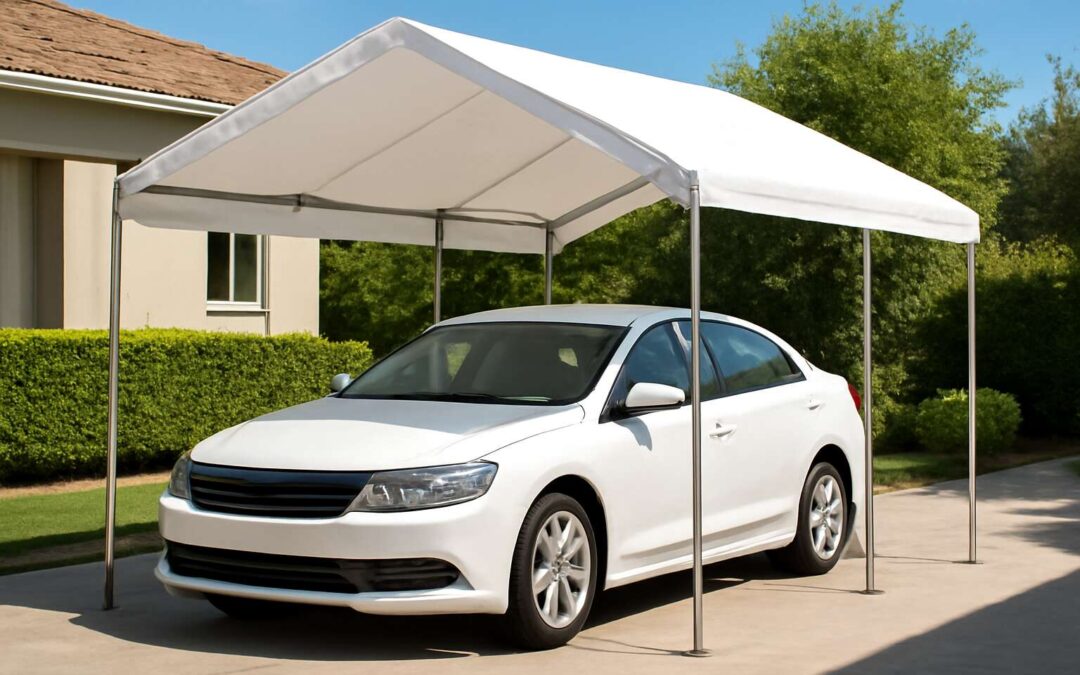
Outdoor Vehicle Shelter Solutions
Understanding shelter types for vehicles
Outdoor Vehicle Shelter Solutions reveal that a simple shield can save a lifetime of wear. In rural South Africa, storms arrive with hail and blistering sun, weather that dents and fades paint faster than you think. A recent look at local farms showed 68% of vehicles suffer weather-related wear without proper shelter. Understanding shelter types for vehicles helps families pick the right fit, turning a dusty space into a reliable carport tent that invites a sense of pride and peace when you pull in after a long day.
- Portable, flexible protection you can move as needs shift
- Rigid-frame shelter for long-term use
- Shade canopy to reduce heat and glare
From quick setups before a storm to steady, year-round use, the right shelter guards engines, paints, and batteries. Look for wind resistance, UV protection, and easy access as you weigh frames, fabrics, and anchoring options. A thoughtful choice becomes part of the homestead—a steadfast ally whenever storms roll in and the road home calls.
Benefits of portable canopies over fixed structures
Across rural South Africa, hail and blistering sun take a toll on vehicles; 68% show weather wear when shelter is absent. A carport tent isn’t just a tarp—it’s portable protection that moves with the needs of the homestead.
Portable canopies beat fixed structures on speed, cost, and flexibility. They shade a vehicle in minutes, shift as your yard work changes, and pack away neatly when seasons roll over. There’s no heavy foundation, no permanent footprint—just reliable coverage you can call up and put down again!
- Affordable and portable
- Fast deployment and relocation
- Minimal disruption to existing space
That makes this shelter a practical, loyal ally when weather moves in and the road calls you home.
Ideal use cases for mobile vehicle shelters
Across rural South Africa, 68% report weather wear on vehicles when shelter is absent. Outdoor vehicle shelter solutions step in when you need fast, flexible protection for cars, tractors, and trailers. On a rural homestead, this portable shelter stops hail dents and blistering sun without turning your yard into a construction zone. It folds up between chores, then leaps back into action when the next task appears—shade that travels with you, a carport tent.
- Farmyards: sheltering tractors, feed trucks, and other workhorses between jobs
- Construction sites: quick-cover for rental machines, delivery vans, and crews on the go
- Leisure and seasonal storage: caravans, boats, and trailers during the off-season
Compact, portable, and surprisingly sturdy, this solution is shelter on the fly for every South African driveway.
Key factors to consider when selecting a shelter
In rural South Africa, 68% report weather wear on vehicles when shelter is absent. Protection on the driveway is not a luxury; it’s pragmatism wearing a spring-loaded canopy. In our climate, the right shelter marries sturdiness with mobility, turning a long afternoon into a quick, dignified chore. Choosing a carport tent is less about brand cachet and more about enduring design.
The key factors to consider when selecting a shelter for your vehicles are reliability, size, ease of use, and weather resilience—traits that keep fleets looking orderly and yards from becoming open-air construction zones.
- Durable materials and UV resistance for long life.
- Robust frame design with easy folding and transport.
- Appropriate wind ratings and stability options.
- Proper size to cover the vehicle(s) without excess bulk.
- Anchoring, maintenance needs, and storage footprint after use.
A well-chosen carport tent balances form and function, delivering shelter with a dash of quiet refinement.
Top questions to ask before buying
In rural South Africa, 68% report weather wear on vehicles when shelter is absent, a statistic that reframes shelter from luxury to pragmatism. When choosing a carport tent, you want questions that cut through hype and reveal durability, ease, and fit. The Outdoor Vehicle Shelter Solutions approach invites a calm, almost clinical curiosity, inviting readers to measure structures against the road, the sun, and the wind rather than brand cachet alone.
- What wind rating does the carport tent offer, and how are anchoring options handled for coastal vs inland conditions?
- What materials deliver UV resistance and long life?
- Is the size flexible enough for different vehicles?
- How easy is setup, folding, and transport?
- What warranty and after-sales support exist?
These questions frame a decision that values enduring design, weather resilience, and quiet refinement—hallmarks of a shelter that protects assets without imposing on the yard’s dignity.
Materials and Build Quality
Frame materials and corrosion resistance
In a world where wind learns your car’s name, the frame is the vow that keeps the shelter standing. A carport tent with robust, corrosion-resistant framing protects more than metal; it guards memories, paint, and resale value against SA’s sun and coastal spray.
Frame materials that endure and resist corrosion include:
- Aluminum alloys with corrosion-resistant finishes
- Powder-coated steel with galvanic protection
- Galvanized steel designed for outdoor use
Coastal breezes, heat, and dust press on the metal—the right alloy and finish turn rust into a rumor you never hear. For a carport tent, look for reinforced joints, UV-stable coatings, and sealed seams to ensure longevity across seasons.
Fabric types and UV protection
South Africa’s UV index climbs to extreme levels, turning unprotected metal into fading memories in a single season. A carport tent stands as a vigilant shield, turning blinding glare into shade and protecting vehicles, paint, and resale value from the sun’s relentless kiss.
Materials and build quality aren’t afterthoughts; they’re the spell that keeps the shelter standing. For a carport tent, seek well-joined frames, sturdy gussets, and UV-protected finishes. Sealed seams and proper tension resist wind and grime.
Fabric types and UV protection matter as much as frame strength. Here are a few options that balance durability and value:
- UV-stabilized polyester with PVC coating
- Polyethylene fabric with UV additive
- Canvas with mildew-resistant treatment
Choose a combination that suits your site—the coast, veld, or city. With the right fabric and a robust build, a carport tent yields dependable shelter that ages gracefully under Africa’s sun and coastal spray.
Weather resistance and durability testing
South Africa’s sun wears a badge of intensity; peak UV can scorch paint and fade metals in a single season. I’ve seen how a carport tent can be more than shade—it’s a vigilant shield for vehicles, tools, and family memories. Durability begins with well-joined frames, UV-protected finishes, and seams that hold firm when winds rise.
- Wind-resistance testing and robust anchoring for common gusts
- UV exposure tests to prevent fading and fabric brittleness
- Seam integrity and precision tension to resist sag and leaks
- Corrosion resistance of frame metals in coastal air
When the materials and build prove themselves in heat and wind, the shelter becomes a trusted companion that ages gracefully in South Africa’s climate.
Roof design and drainage considerations
South Africa’s sun treats vehicles like popcorn—paint and plastics pop under the glare if you blink. A carport tent worthy of the duty goes beyond shade with a roof that actually moves water away and cools the cargo bay. It screams reliability: tight joins, UV-stable finishes, and a design that makes you smile when gusts flirt with the structure.
- Sloped roof profile for efficient rain shedding and wind deflection
- Integrated gutters and downspouts tailored to local downpours
- Double-stitched seams and reinforced hems to resist sag and leaks
Pair this with robust frame detailing and you’re looking at a shelter that ages gracefully, not a sunburned memory. The roof and drainage pair off like a well-organized kitchen—everything in its place and nothing dripping.
Portability and storage features
South Africa’s sun is a stubborn sculptor, aging paint and plastics with a blink. “Protection with a heartbeat,” as one local installer puts it, is what I’ve learned you need in a carport tent—a shelter that feels reliable before you unfold it.
Materials and build quality are the backbone. Think alloy frames, corrosion-resistant fasteners, and fabric that resists sag even when the afternoon heat hammers down. This carport tent blends strength with simplicity, offering rugged dependability in a portable package.
- Foldable frame with quick-release pins
- Wheeled carry bag for easy transport
- Compact storage footprint when collapsed
When it’s time to tuck it away, the shelter halves neatly, with detachable sidewalls and a modular tie-down system that keeps the unit compact and ready for the next adventure.
Buying Guide and Budget
How to compare prices and warranties
Protection that pays dividends: a sturdy carport tent defends vehicles against sun, hail, and fading—and the best value often hides in plain sight. In budgeting for shelter, consider total ownership costs, not just the upfront price. Warranties matter, and so does the vendor’s service network; a durable build paired with responsive support can extend the life of fabric and frame beyond a single season.
- Price bands across brands and configurations
- Warranty length and coverage specifics
- What parts are included and service options
- Delivery, setup, and storage requirements
In the South African market, align your budget with aesthetics, durability, and logistics, ensuring the carport tent fits both garage-like protection and practical storage constraints. A thoughtful price-to-warranty balance yields long-term performance without sacrificing peace of mind.
Cost ranges for sizes and materials
South Africa’s storm season turns parking into a tactical decision: hail claims rise as much as 15% in peak months, and a sturdy shelter can cut losses and downtime. A practical buying guide anchors your choice in value rather than impulse: a compact setup with sensible fabric and frame can protect your essentials without breaking the bank. A well-chosen carport tent balances upfront cost with long-term resilience.
- Small: 2.5m x 3m; budget roughly R4,000–R8,000
- Medium: 4.5m x 6m; budget around R8,000–R18,000
- Large: 6m x 12m or bigger; budget from R20,000+
Delivery, installation, and storage considerations quietly shape total cost, but they pay dividends by reducing downtime and safeguarding assets.
Hidden costs and accessories to consider
During SA’s storm season, hail claims jump as much as 15%—smart budgeting turns shelter into lasting peace of mind. In our buying guide, value beats impulse as you plan a carport tent that fits both budget and busy South African days. A sensible footprint paired with durable fabrics and frames tends to endure the season and the rhythm of a family’s routine.
Hidden costs and useful add-ons quietly shape the final number.
- Delivery and professional installation charges
- Storage and seasonal cover options
- Anchoring kits and wind-load enhancements
- Optional accessories: gutter kits, extra panels, and canopy extensions
- Maintenance parts and replacement components
When you balance upfront price with long‑term resilience, your shelter becomes a trusted partner through the storm season. The right mix of size, fabric and frame lets you protect vehicles today and minimize downtime tomorrow, without sacrificing the rhythm of farm or street-side life.
Delivery timelines and assembly options
Storm season in SA nudges budgets as hail claims surge—up to 15% in some pockets—making timely shelter a quiet priority. A well-chosen carport tent becomes more than a cover; it’s a daily confidant. In this buying guide, budget and practicality stroll hand in hand, letting busy days meet steady protection.
Delivery timelines and assembly options keep the process graceful, not exhausting. We map realistic lead times, clear installation choices, and flexible delivery windows so you know when your shelter will stand in its place.
- Delivery lead times and scheduling options
- On-site assembly versus DIY kit considerations
- Post-delivery support and fittings
With a wise footprint and the right kit, a carport tent protects vehicles today and minimizes downtime tomorrow, preserving the rhythm of farm and street-side life.
Return policies and customer support
South Africa’s storm season adds strain to budgets, with hail claims nudging costs by up to 15% in pockets across the coast and interior. A carport tent becomes more than shelter; it’s a daily confidant for vehicles weathering the city’s moods—almost a quiet triumph! In this buying guide, budget and practicality stroll hand in hand, revealing options with transparent pricing, predictable delivery windows, and return terms that don’t haunt your nights. A sturdy promise—frames that resist corrosion, fabrics engineered for sun and rain—ensures you sleep easier when duty calls.
- Clearly stated returns and exchange windows
- Fair warranty on frame and fabric
- South Africa–based customer support, available when you need it
Post-delivery support covers fittings, spare parts, and guidance to keep downtime to a minimum, so you’re back to business without the long shadows of delays.
Installation and Use Cases
Setup steps and required tools
In South Africa’s capricious weather, a carport tent acts as a quiet sentry over what you value most—your vehicle and the gear that trails behind it. Shelter isn’t poetry alone; it’s practical armor against sun, rain, and wandering hail.
Install with discipline, and a sturdy canopy yields years of service. Gather these tools: rubber mallet, ladder, measuring tape, stakes, guy lines, and a utility knife. Then follow these steps:
- Lay out the footprint, clear debris, and mark anchor points.
- Assemble the frame on a flat surface, securing joints as you go.
- Raise the frame, insert stakes or anchors, and tension each leg with guy lines.
- Drape the cover, align seams, and perform a final tension check.
Beyond parking, the shelter serves as a versatile space for maintenance tasks, temporary storefronts, or driveway event shade, adapting to your yard’s contours with minimal fuss.
Anchoring methods for different surfaces
South Africa’s weather can flip on a dime, turning a calm afternoon into a gusty challenge. A carport tent guards your vehicle and gear, but only if it’s anchored with discipline. With solid security, it shrugs off sun, rain, and wandering hail.
Anchoring differs by surface, but the rule is simple: ground the frame. Grass or soil loves auger stakes or sandbags. Concrete or asphalt favors heavy anchors and bolts. Pavers respond to non-penetrating footings and straps. On gravel or slopes, add extra guy lines.
- Grass or soft soil: auger stakes or sandbags
- Concrete or asphalt: heavy anchors and bolts
- Pavers: non-penetrating footings with straps
- Gravel or slopes: extra guy lines
Beyond parking, the carport tent doubles as a maintenance nook, driveway shade, or temporary storefront, bending to your yard’s contours with minimal fuss.
Seasonal use and weather considerations
South Africa’s climate loves a plot twist, and a carport tent is the dependable plot armor your ride deserves. It’s surprisingly nimble—a few anchors, and you’ve got shade, shelter, and a dash of swagger, ready to weather sun and wandering hail.
Install with the season on your radar: during the scorch, keep the canopy taut to reduce flutter and glare; after heavy rain, check drainage and adjust the slope so water runs away from your driveway. Winds demand extra stabilisers and guy lines, while uneven ground calls for adaptive footings. The goal is steadiness, not drama.
Used beyond parking, the carport tent can shelter maintenance gear, shade your afternoon tasks, or morph into a portable storefront when markets wander into town—all with minimal fuss and maximum curb appeal.
Maintenance during use
The SA sun doesn’t just warm the air; it negotiates with your paintwork for dominance. A carport tent is more than shade—it’s portable peace of mind that travels with your schedule. Install with a touch of flair and practicality: compact footprint, sturdy frame, and fabric that shakes off wind with a shrug. It’s the kind of shelter that makes a driveway look deliberate, not desperate.
- Vehicle shelter at home or during events
- Portable workspace for repairs or hobbies
- Shade for outdoor markets and pop-up shops
- Temporary storefronts with maximum curb appeal
Maintenance during use is simple: keep surfaces clean, monitor for any wind lift or sag, and let the air circulate to prevent mildew. After heavy weather, a quick wipe-down and a check for wear before packing away keeps the shelter ready for the next sun-drenched session.
Common installation pitfalls to avoid
Step into a portable shelter that travels with your schedule—shade that negotiates sun and wind with quiet authority. A carport tent is more than fabric and frame; it is a stance of practicality, ready to unfurl on a driveway, at a market, or beside a workshop as the day unfolds across South Africa.
Common installation pitfalls to avoid include:
- Choosing too small a footprint for your space, restricting doors and airflow
- Skipping a wind check or rushing assembly, risking lift or sag
- Using inadequate anchors for the surface or poor tensioning
- Failing to align the frame before securing and final tweaks
For use cases, the carport tent shines in a home driveway, at South Africa’s markets and fairs, and as a mobile workshop—a ready-made shelter for repairs, pop-up shops, or simply extra shade when the sun is unyielding. It becomes a versatile partner, morphing from personal protection to a small-business vignette with ease.
Maintenance, Accessories, and Longevity
Cleaning and fabric care tips
Protecting from wear and tear
Maintenance starts at the joints where the frame meets fabric—the first line of defense against wear. Regular checks for fraying seams and a light rinse to remove grime keep a carport tent performing in South Africa’s varying weather. A bit of lubrication on metal connectors wards off squeaks and stress.
Accessories that support upkeep can dramatically extend life.
- Tower stakes and augers for firm anchoring
- UV-resistant spray for fabrics
- Repair patches for punctures
- Storage bags to prevent creasing
Longevity hinges on the interplay of storage and use. How the shelter meets light and wind, how its fabric breathes under weather, shapes its endurance. With considerate handling, the carport tent remains an honest companion, resisting wear and tear across seasons.
Optional add-ons and upgrades
Even the toughest carport tent needs a care routine. In SA, the sun clocks up around 2,000 hours of daylight a year, turning maintenance into a constant. Maintenance begins at the joints where frame meets fabric—the first line of defense against wear. Checks for fraying seams and a light rinse keep the carport tent performing across seasons. A dab of lubrication wards off squeaks.
Accessories that support upkeep can dramatically extend life.
- Tower stakes and augers
- UV fabric spray
- Repair patches
- Storage bags
Longevity hinges on storage and use. How a shelter meets light and wind, how fabric breathes under weather, shapes its endurance. With careful handling, a carport tent stays a faithful partner across seasons. Optional add-ons and upgrades tailor protection for harsher conditions.
Replacement parts and warranties
Maintenance for a carport tent isn’t a nuisance—it’s the quiet guardian of longevity. In South Africa’s bright daylight, I routinely inspect frame joints for looseness, wipe the fabric with a mild, non-abrasive soap, and lubricate moving parts to quiet any squeaks. A swift post-wash check after heavy winds keeps tension even and stress points in check, preserving the shelter’s stance across seasons.
Accessories that support upkeep can greatly extend life. Consider adding items that make routine care easier and more effective:
- Tower stakes and augers
- UV fabric spray
- Repair patches
- Storage bags
Longevity hinges on how a carport tent is stored and used. Replacement parts and warranties offer reassurance: look for ready availability of fabric panels, frame components, and a clear warranty window. The right terms protect your investment and ensure ongoing support for the carport tent you rely on.
Storage and transport best practices
Maintenance for a carport tent isn’t a nuisance—it’s the quiet guardian of longevity. In South Africa’s bright daylight, I routinely check frame joints for looseness, wipe the fabric with a mild, non-abrasive soap, and lubricate moving parts to quiet squeaks. A swift post-wind check keeps tension even and stress points in check, preserving the shelter’s stance across seasons.
Accessories that support upkeep can greatly extend life. Consider adding items that make routine care easier and more effective:
- Tower stakes and augers
- UV fabric spray
- Repair patches
- Storage bags
Longevity hinges on storage and transport choices. After use, let the carport tent dry fully, then store it in a clean bag away from damp corners. For transport, keep fabric and frame protected from scuffs and sun exposure by using proper coverings. Proper storage and handling safeguard your shelter through the seasons.
