
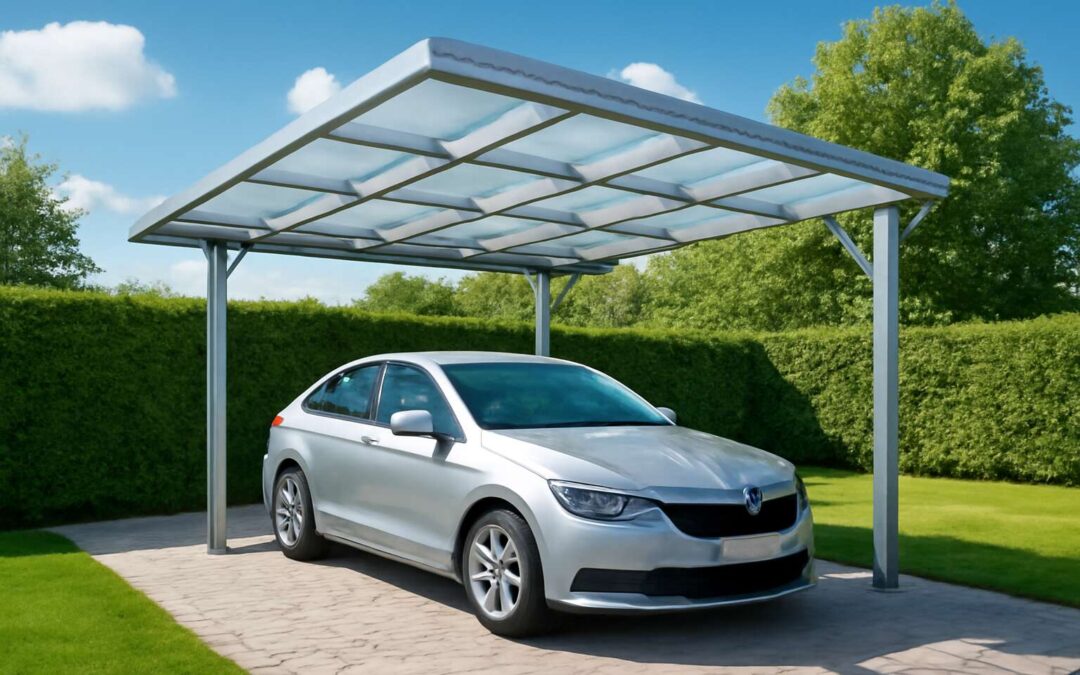
Overview of steel for carport
What is steel for carport and its uses
Across South Africa, steel for carport stands as a quiet testament to durability—an shelter that ages gracefully while guarding cars, tools, and memories. In a market hungry for resilience, steel offers a blend of strength and elegance that timber cannot match.
A practical metal choice, this option can be hot-dip galvanised or powder-coated to resist corrosion, even in coastal and inland climates. Its modular design, clean lines, and long life make it a reliable frame for everyday life.
- Longevity against corrosion in varied climates
- Customization for sizes and roof styles
- Ease of installation with standard fixings
These traits help it endure the South African sun, rain, and bustle with a quiet, almost regal confidence.
Key benefits for durability and value
Steel is the quiet backbone of durable shelters, and in South Africa it earns its keep under blazing sun and brushing coastal winds.
For durability and value, steel for carport shines with corrosion resistance, thanks to hot-dip galvanising or powder coatings that deter the fiercest rust in coastal and inland climates. Its modular frames snap into place, offering clean lines and a timeless silhouette that fits modern homes without shouting.
- Proven corrosion resistance that reduces maintenance and replacement costs
- Flexible sizing and roof options for a tailored look
- Low upkeep and long service life against weathering
- Strong resale value from a shelter with enduring appeal
In the end, steel for carport delivers longevity, style, and enduring value for South African properties.
Common steel grades and their pros
Coastal winds and relentless sun can accelerate corrosion up to three times faster than inland conditions, a reality that makes the shelter’s skeleton count. steel for carport stands at the intersection of grit and beauty, offering a spectrum of grades and coatings that endure South Africa’s climate—from the veld to the shoreline.
Here are common steel grades and their distinct advantages:
- Mild steel (low carbon) with hot-dip galvanising: affordable, highly formable, and ready for robust coatings that deter rust.
- Galvanised steel (hot-dip coated): durable zinc shield ideal for both coastal and inland environments.
- Weathering steel (Corten-type): forms a protective patina that reduces maintenance in exposed locations.
- Stainless steel: superior corrosion resistance and longevity for premium applications, with a higher upfront cost.
The right grade is a careful balance of climate, upkeep expectations, and budget, translating longevity into quiet, confident presence for a South African property.
Cost considerations and budgeting for steel carports
Relying on sturdy steel for carport is not just about shelter; it’s about choosing a steady partner against SA’s sun and wind. Costs shape that partnership, and a thoughtful budget turns upfront price into long-term value. When you weigh the options, the balance of coating, grade, and size matters as much as style.
Key cost drivers include material grade, protective coatings, size and span, installation, and maintenance. Consider these factors:
- Size and design span
- Protective coatings and corrosion resistance
- Labor, delivery, and installation
- Warranty and maintenance expectations
In South Africa, a modest upfront investment can yield decades of low-maintenance shelter that protects vehicles and memories alike.
Essential factors when selecting steel for a carport
Structural strength and load capacity for vehicle protection
The truth about choosing steel for carport hinges on one measure: structural strength and load capacity. South Africa’s varied climate tests frames with wind, rain, and occasional hail, so a carport must stand up to more than everyday use. A well chosen steel frame offers reliable protection and enduring value, turning shelter into a steadfast ally against the elements.
Key factors to assess:
- Appropriate member sizing based on expected wind and vehicle weight
- Durable joints—bolted or welded with proper bracing to prevent movement
- Proven corrosion protection—galvanized coating or corrosion-resistant finishes suited to site conditions
Ensure the design distributes loads effectively—adequate bracing, correct anchorage, and suitable metal thickness prevent sagging and uplift. Align coating and protection with your environment, so coastal or inland settings receive the right treatment for long-term resilience and quiet confidence when storms approach.
Corrosion resistance and protective coatings
South Africa’s storm season makes a strong case for a sheltered frame that takes the weather in stride. “Coatings choose the longevity of a carport,” a SA steel specialist notes, and the right protection goes beyond looks. It preserves strength, quiets maintenance needs, and keeps your shelter steadfast through the years. I’ve seen storms prove that protection is cheaper than repair!
To fortify corrosion resistance, consider these coating strategies:
- Galvanised coating for basic protection in inland and milder coastal sites.
- Powder-coated epoxy or polyester finishes for color and a durable top layer.
- Duplex systems combining galvanising with a robust topcoat for harsher environments.
When selecting, ensure the system matches your site—sea spray, humidity, and temperature swings all demand resilience. For the best steel for carport outcomes, align protection with environment and maintenance expectations.
Design compatibility with existing structures and space
Choosing steel for a carport is a quiet negotiation between form, function, and weather’s memory. For South Africa’s driveways, the frame must promise shelter without shouting, aging with dignity—the steel for carport becoming a steadfast part of home.
Design compatibility with existing structures and space is essential. A sheltered silhouette should echo the house and leave room for turning, gates, and future upgrades.
- Footprint and aisle clearance
- Attachment and alignment with existing structures
- Roofline harmony and eave alignment
- Movement and expansion allowances for temperature swings
When compatibility is tuned, the steel for carport speaks to the house in a quiet dialect, aging with the neighborhood and with the weather across seasons.
Climate and environmental considerations affecting steel
Weather writes the first draft of longevity for steel for carport. In South Africa, climate isn’t a backdrop—it’s a co-designer. Coastal salt, inland humidity, and blazing sunshine all contend with every beam. The choice must respect environment as much as design, matching resilience to the daily mood of the home and the road that leads to it.
Consider climate and environment when selecting steel for carport:
- Coastal salt spray and corrosion risk
- Humidity and condensation cycles
- Temperature swings and thermal expansion
- UV exposure and fading
- Pollution and salt-laden air in industrial areas
These factors guide coatings and finishes, letting the steel for carport age with dignity beside the house.
Maintenance expectations and warranty coverage
Maintenance expectations are the quiet contract between beauty and durability. When selecting steel for carport, weigh how a finish ages in coastal air or inland heat; a thoughtful coating preserves luster and resists patina while remaining faithful to the home’s silhouette.
Warranty coverage is the safety net that sustains confidence beyond the showroom. Look for clarity on what is protected, for how long, and under which environmental conditions. To guide you, consider these core criteria:
- Warranty duration and renewal terms
- Scope: coatings, corrosion protection, and workmanship
- Geographic and environmental exclusions, transferability
With the right terms, the structure ages with dignity, echoing the home’s enduring elegance.
Popular steel types and finishes for carports
Hot-rolled vs cold-formed steel for framing
Durability for a carport is a long game, especially in South Africa’s sun and seasonal rains. When choosing steel framing, the two main paths are hot-rolled and cold-formed steel, each bringing its own balance of strength, weight, and fabrication ease. This choice shapes how the structure performs over decades and how finishes protect against corrosion in local climates.
- Hot-rolled steel for framing: heavier, very strong, forgiving for larger spans.
- Cold-formed steel for framing: lighter, precise, economical for standard bays.
Finishes matter almost as much as the steel itself; galvanised, galvalume, or powder coatings extend life and keep steel for carport looking sharp.
Galvanized and zinc-aluminum coatings for corrosion resistance
The SA sun and seasonal rains demand more than strength—it demands endurance. For steel for carport, the finish is a silent partner, not an afterthought. Galvanized coatings and zinc-aluminum (galvalume) protect frames where salt air and heat conspire to age metal, turning a sturdy structure into a lasting shelter. I’ve seen finishes that fade gracefully while keeping corrosion at bay.
- Galvanized steel: zinc coating provides sacrificial protection, ideal for inland and coastal SA conditions.
- Galvalume (zinc-aluminum): superior long-term resistance in humid climates and relentless sun.
- Powder-coated finishes: durable, UV-stable color barriers that resist chipping and reduce maintenance.
Coatings and base steel type together shape appearance, maintenance needs, and the longevity of the carport in South Africa’s environment.
Powder-coated and paint finishes for longevity and aesthetics
South Africa averages more than 2,000 hours of sunshine a year—heat that tests any finish. Powder-coated finishes for steel for carport offer UV stability, resisting chipping and fading—no drama, just durability. These coatings come in epoxy-polyester blends that stand up to sun and humidity, keeping frames looking sharp for years.
- Epoxy-polyester powder blends
- UV stability and color retention
- Scratch and chip resistance
- Broad color choices
Alternatively, paint finishes—baked enamel and fluoropolymers—offer sleek aesthetics and easier color matching. They shine in appearance but may require occasional touch-ups in coastal SA. Both powder and paint defend the steel for carport, delivering longevity and curb appeal.
Weathering steel and stainless options for heavy-duty environments
South Africa endures more than 2,000 hours of sun each year, and your steel for carport faces that heat every day—no drama, just durability. Weathering steel, or COR-TEN, forges a protective patina that slows corrosion while adding an honest, industrial vibe. For tougher environments, stainless steel steps in with enduring corrosion resistance—hard-wearing, sleek, and surprisingly low-maintenance.
- Weathering steel (COR-TEN) offers rugged strength with a natural patina, ideal for inland SA sites where salt exposure is limited and long-term durability matters.
- Stainless steel (304 and 316) delivers superior corrosion resistance, with 316 preferred for coastal climates facing salt spray and humid air.
Either route expands the steel for carport repertoire, letting form meet function without bending the budget or the skyline.
Installation, safety, and building codes
Foundation options and anchoring methods
Installing steel for carport goes beyond frame choice; it’s a dialogue with the ground, wind, and local codes. For South African sites, the focus is on load paths and corrosion-aware design, then safe assembly and thoughtful siting. The aim is a structure that performs under sun and storm while protecting what you value.
Foundation options and anchoring methods frame the long-term performance of any steel for carport. Depending on soil, slope, and permit requirements, you may encounter a few viable directions.
- Concrete pad or slab footings that spread loads evenly
- Pier foundations anchored to stable soil or bedrock
- Mechanical ground anchors and bolt-down connections for retrofit installs
Safety guidelines and building codes guide installation choices. In South Africa, consult the local authority and refer to SANS 10400 family for structural elements, fastener grade, and protective coatings. Proper anchoring minimizes uplift risks and contributes to durability of steel for carport.
Roofing compatibility and load distribution with steel frames
Installation of steel for carport is more than bolting pieces together; it’s a quiet conversation with the ground, the wind, and the local codebook. In South Africa, roofing compatibility matters: the roof and its sheets must harmonize with steel frames to distribute loads evenly and resist sun and storm. Safety guidelines and building codes guide every choice—from anchor sizes to protective coatings—ensuring longevity and predictable performance under harsh skies.
Aligned with SANS 10400, proper assembly translates to resilient frames that weather sun and storm. A mindful siting—consider shade, drainage, and sightlines—lets the roof distribute loads without fatigue. Roofing compatibility and load distribution are the twin pillars of a durable shelter.
- Secure fasteners and corrosion-resistant coatings
- Wind uplift considerations for your region
- Sheeting compatibility with frame members
Wind, snow, and seismic considerations for attachable carports
Across South Africa, coastal gusts routinely exceed 100 km/h, turning carport projects into a test of mettle. For steel for carport, choosing the right frame is a shield against sun, storm, and the slings of time. We see this daily in coastal installations.
Aligned with SANS 10400, safety and building codes govern every detail—from anchors to coatings. A well-rounded frame uses corrosion-resistant fasteners and compatible sheeting to keep load paths predictable in windy, wet weather.
- Wind uplift resilience tailored to regional climates
- Snow load considerations in higher elevations and mountain routes
- Seismic response for zones with ground movement
Mindful siting and regular checks help the roof and frame behave as one under harsh skies.
Permits, codes, and inspections to ensure compliance
A sturdy steel for carport begins long before the first bolt is tightened. In South Africa, thoughtful installation means siting, drainage, and workmanship that stand up to coastal gusts and bright sun.
Compliance sits at the core: permits, codes, and inspections ensure every anchor meets SANS 10400 expectations. For steel for carport, corrosion-resistant fasteners and compatible coatings keep load paths predictable in wind and wet weather.
- Check with local authorities for permits and approvals before fabrication
- Provide plans showing anchors, foundations, coatings, and load details to meet codes
- Arrange inspections at framing milestones and after roof installation
- Keep comprehensive documentation for warranty and future maintenance
This measured approach keeps steel for carport projects compliant, safe, and enduring under SA skies.
DIY vs professional installation and when to hire
Installation quality determines safety, durability, and the future value of any steel for carport. A seasoned builder once reminded me, “A carport is only as good as its foundations.” In SA, thoughtful siting, drainage, and workmanship help a structure stand up to coastal gusts and bright sun from the first bolt.
DIY vs professional installation is not a one-size-fits-all call. For straightforward frames, careful DIY can work, but codes and safety standards often demand professional input. When to hire: high roofs, complex anchoring, difficult access, or coastal exposure—careful evaluation of carport projects can prevent costly mistakes.
Consider these decision criteria:
- High wind or seismic zones
- Complex anchoring or foundations
- Coastal or corrosive environments
- Uncertain permit and inspection requirements
Cost, maintenance, and lifecycle value
Initial cost estimates and budgeting strategies for steel carports
Bold, weatherproof, and surprisingly affordable, steel for carport stands up to SA’s sun and seasonal whims better than most. A well-designed steel carport often outlives timber and weatherproofs the warranty period with far less fuss, delivering ongoing protection rather than constant repairs.
Initial cost estimates for steel for carport vary by size, gauge, coatings, and anchoring. When budgeting, factor in fabrication, corrosion protection, and installation. A simple approach is to categorize costs:
- Materials and fabrication
- Protective coatings and galvanizing
- Installation and anchoring
- Maintenance reserve and warranties
Lifecycle value comes from durability, minimal maintenance, and solid resale appeal. With a long warranty and modest upkeep, the upfront spend translates into lower lifecycle costs than many alternatives. In SA, that long-term payoff makes steel for carport an attractive choice.
Maintenance routines to maximize lifespan
In SA, steel for carport isn’t merely shelter—it’s a quiet financial partner. A concise budget shows the upfront cost tempered by decades of protection, with far less fuss than timber. From materials to anchoring, I see how every choice shapes its sun-ready return on investment.
Maintenance is where value compounds. With protective coatings, regular inspections for corrosion, and timely reapplications, it stays strong and retains its glow. A simple routine preserves warranty coverage and reduces costly repairs.
- Inspect rust early
- Keep drainage clear
- Recoat per guidelines
- Clean with gentle detergent
Over the long arc, lifecycle value shines: durability, minimal maintenance, and strong resale appeal. With a generous warranty and disciplined upkeep, the upfront spend translates into enduring peace of mind for South African homes.
Repair and replacement planning for steel components
Cost starts at the price tag, but the long road is where steel for carport earns its keep. In South Africa, a durable frame pays off with decades of shelter and minimal fuss, turning shelter into a steady, sun-ready asset rather than a recurring expense.
Maintenance compounds value. Regular inspections, protective coatings, and timely reapplications keep the structure robust and resale-friendly. For repair and replacement planning, consider the following steps:
- Wear and corrosion hotspots on frames, fasteners, and coatings
- Coating life timelines and associated budget implications
- Exposure-driven vulnerability of connectors and structural members
- Access to warranties and supplier documentation for future reference
In the long arc, lifecycle value shines when you anticipate repairs and replacements, turning depreciation into durability and steady resale appeal.
Warranty terms and after-sales support
In SA, a properly specified steel for carport shields vehicles for thirty to forty years with the right coatings. The sticker price matters, but the long arc—the maintenance and durability—transforms shelter from a recurring cost into a durable, sun-ready asset.
Maintenance compounds value: regular inspections, coatings reapplication, and timely repairs keep frames robust and resale-friendly. For warranty terms and after-sales support, check coating guarantees, fabrication quality, and fastener protection. Look for clear claim paths and responsive service; these are your safety nets as the structure ages.
- Term length and transferability
- Coverage scope (coatings, workmanship, components)
- Claims process and service response times
End-of-life options and recycling considerations
Cost is more than the sticker price. When you weigh upfront investment against decades of service, steel for carport stands out as a practical choice in South Africa’s climate. With the right coatings, a frame can outlast cheaper options by years, reducing replacement cycles and keeping your vehicles shielded for longer.
Maintenance and lifecycle value go hand in hand. A well-planned approach stabilizes long-term costs and sustains resale appeal, turning a shelter into a durable asset rather than a recurring expense.
End-of-life considerations and recycling options keep the footprint light. Steel is highly recyclable, offering value through salvage, repurposing, or certified recycling streams.
- Recycling through certified metal recyclers
- Salvage value from decommissioned frames
- Repurposing components into other structures or storage solutions
