
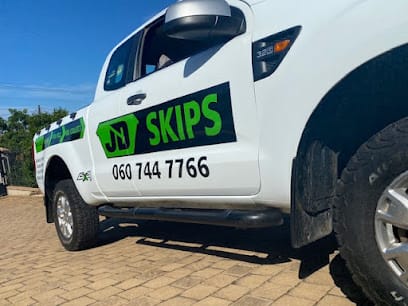
JD Skips is a Garbage collection service establishment in Port Edward, KwaZulu-Natal, South Africa
Port Edward
KwaZulu-Natal
South Africa
Sorry, no records were found. Please adjust your search criteria and try again.
Sorry, unable to load the Maps API.
Garbage Collection Services in Port Edward, KwaZulu-Natal
In Port Edward, KwaZulu-Natal, waste collection services typically operate to keep neighbourhoods clean and sanitary while supporting sustainable waste management practices. The arrangements are commonly coordinated with local authorities or through private service providers that handle domestic and commercial refuse on a regular schedule. Residents and businesses can expect a practical system that targets routine waste, recyclables, and occasionally larger items that require special handling.
Most standard waste collection services revolve around regular bin collections using a defined timetable. Domestic households usually receive a refuse bin for non-recyclable waste and may have access to a separate container for recyclables. Some areas implement a weekly cadence for general waste, complemented by a separate schedule for recyclables and garden waste. In other cases, collections run on alternate weeks, with notification of any changes from the relevant municipality or contractor. The basic aim is to minimise odours, pests, and litter while ensuring that waste is transported to appropriate treatment or disposal facilities in a safe manner.
Customer expectations often centre on reliability, clarity of service boundaries, and straightforward guidelines for what can and cannot be placed in each bin. Practical considerations include ensuring access for collection personnel, particularly in densely built or informal housing areas. Containers should be kept secure and placed at a designated collection point on collection day, preferably the night before to avoid delays caused by weather or obstruction. It is common for bins to be clearly labelled or colour-coded to indicate whether they are for general waste, recyclables, or organic waste where applicable.
Recyclable materials are increasingly emphasised in Port Edward, reflecting broader environmental aims. The typical approach separates paper, plastics, glass, and metal for recycling streams where facilities exist. Garden waste, such as grass clippings and small pruning residues, may be collected separately in some neighbourhoods or delivered to local composting or green-waste facilities. Bulky waste or white goods often requires a special collection or a drop-off arrangement, depending on local provisions. Hazardous materials, including certain chemicals or batteries, are generally not accepted in standard bins and require guidance on safe disposal through designated drop-off points or events.
Financial and administrative aspects are usually straightforward but differ by locality. Residents may pay a monthly or quarterly charge, sometimes bundled with municipal rates, while businesses may be billed according to the volumes or frequency of service. Some port areas use permits or ticket systems to regulate access for contractors and to manage the flow of waste in narrow streets. Clear communication from the service provider or local authority helps minimise missed collections and confusion about rules for waste segregation, equipment maintenance, and holiday schedules.
For households and enterprises in Port Edward, practical readiness is key. Keeping bins in good condition, using appropriate liners when necessary, and ensuring clear pathways for collection vehicles contribute to smoother operations. In the event of service interruptions, such as vehicle breakdowns or severe weather, interim guidance from the relevant authority typically outlines temporary collection arrangements and any safety precautions. Overall, the garbage collection landscape in Port Edward supports a pragmatic, community-focused approach to waste management, prioritising cleanliness, hygiene, and adherence to local guidelines while encouraging responsible disposal and recycling where feasible.
- Regular refuse collection (general waste)
- Recycling and segregated waste streams
- Garden and organic waste handling
- Bulky waste and white goods scheduling
- Guidance on hazardous materials and safe disposal
- Access and storage requirements for collection days