
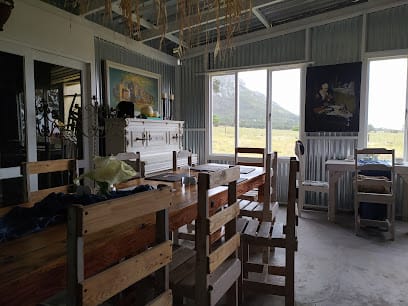
Art Garage Farm Stall is a Farmers’ market establishment in Gqeberha, Eastern Cape, South Africa
Gqeberha
Eastern Cape
South Africa
Sorry, no records were found. Please adjust your search criteria and try again.
Sorry, unable to load the Maps API.
Farmers' market services in Gqeberha, Eastern Cape
<pAcross Gqeberha, farmers' markets serve as focal points for the exchange of locally produced foods, crafts and seasonal goods. They typically gather a range of small-scale producers and vendors in convenient outdoor or semi-permanent venues, offering tangible benefits to both growers and consumers. The overriding character of these markets is the emphasis on traceability, freshness and community interaction, rather than mass-produced items found in larger retail environments.
<pVisitors to farmers' markets in the Eastern Cape commonly encounter a diverse mix of offerings. Fresh fruit and vegetables are readily available, often harvested within a short radius of the market. Dairy products such as cheeses and yoghurt, freshly baked bread and pastries, and a selection of homemade preserves frequently feature alongside seasonal vegetables and herbs. Residents may also find meat and poultry products that adhere to local production practices, subject to regional regulations and market rules. In addition to edible goods, markets often showcase crafts, flowers and sustainable goods, allowing customers to purchase gifts or home decorations that reflect the local flavour of the region.
The typical market experience is guided by a simple, community-focused model. Stallholders provide information on production methods, origin of products and, where relevant, certifications or quality assurances. While the level of formal accreditation can vary, customers often value direct interaction with producers, which supports transparency and responsible sourcing. Many traders take pride in explaining seasonal availability and suggesting ways to prepare or preserve produce, helping shoppers plan meals around what is freshest at the time of visit.
Practical considerations shape how customers engage with markets in Gqeberha. Opening hours tend to be weekend-friendly, with some markets operating on weekday mornings or special event days. Arriving early can maximise access to the best selections, particularly for highly seasonal items. Payment methods vary; cash remains common, but many stalls also accept debit or mobile payments. A reliable plan for transport and parking is advisable, as popular markets can attract significant footfall. Public transport links or designated car parks are often clearly signposted to ease arrival for families and visitors from surrounding areas.
Facilities at these markets typically prioritise pedestrian comfort and safety. Easy-to-navigate layouts, shaded seating and accessible routes contribute to a relaxed shopping environment. Fresh produce is usually displayed with clear pricing, and stallholders may offer sampling opportunities for fruit, cheese or baked goods, subject to hygiene standards. Food and drink stalls present a variety of ready-to-eat options, enabling shoppers to enjoy a light meal or a drink while exploring the market. In some locations, permissible picnic spaces and seating allow visitors to linger and socialise, reinforcing the market’s role as a community gathering place.
For visitors seeking value, markets emphasise local provenance and seasonal variety. The experience tends to reward exploration—beyond core staples, buyers may discover lesser-known varieties, regional specialities and artisan products that reflect the Eastern Cape’s agricultural landscape. Where sustainability is pursued, markets may highlight environmentally friendly practices, such as minimal packaging, reusable containers and recycling options, alongside responsible sourcing messages from stallholders.
Overall, farmers' markets in Gqeberha offer a practical, person-centred alternative to conventional shopping. They provide access to fresh, locally produced foods, opportunities to engage with producers directly, and a platform for small businesses to thrive within the regional economy. The experience blends culinary novelty with everyday practicality, making these markets a useful feature of the Eastern Cape’s retail and cultural scene.